Tianqiong Sensor IOT Technology Co., Ltd
Sales Manager:Ms. Emily Wang
Cel,Whatsapp,Wechat:+86 15898932201
Email:info@fengtutec.com
Add:No. 155 Optoelectronic Industry Accelerator, Gaoxin District, Weifang, Shandong, China


Sales Manager:Ms. Emily Wang
Cel,Whatsapp,Wechat:+86 15898932201
Email:info@fengtutec.com
Add:No. 155 Optoelectronic Industry Accelerator, Gaoxin District, Weifang, Shandong, China
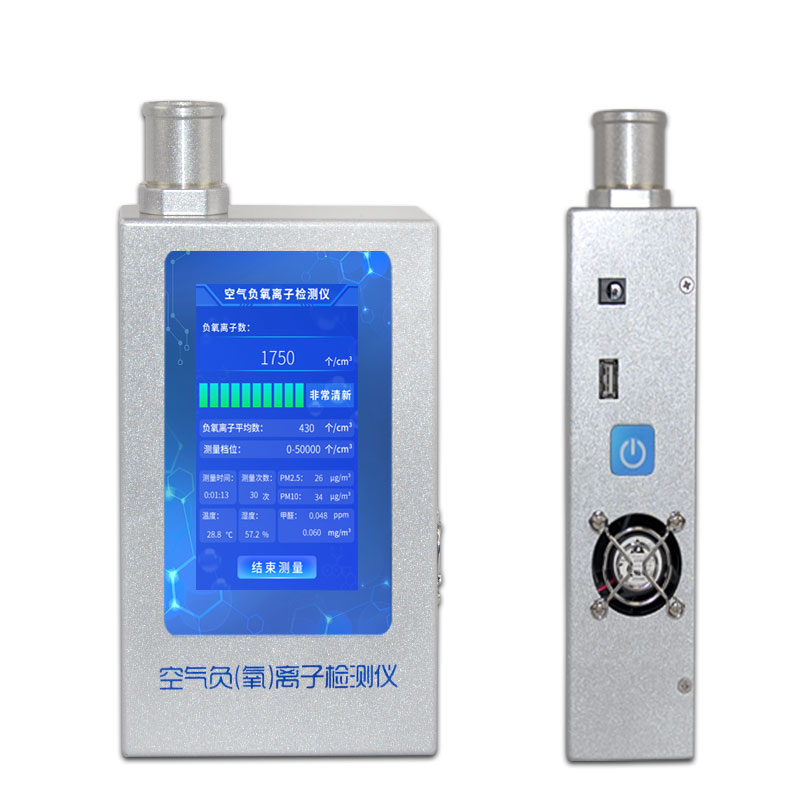
Model:FT-FY1
Brand:tianqiong
Negative ion detector
Negative ion detector uses a charged cylindrical capacitor structure to attract air (or gas with ions) to calculate the concentration of negative ions in the air.
Features: |Mobile measurement |On-on-one measurement |Intuitive reading |Simple operation |Extra-long standby
Negative ion detector product introduction:
Negative ion detector is a high-precision, professional air negative ion detection and analysis instrument. The negative (oxygen) ion capture mechanism of the advanced cylindrical capacitance structure is used to capture the negative (oxygen) ions contained in the atmosphere, and then accurately calculate the statistics through unique algorithms. It has the advantages of stable measurement process, rapid response and accurate measurement results. It also has strong anti-electromagnetic, electrostatic and electromagnetic wave interference capabilities, excellent sensitivity and capture ability to small-particle negative ions, and has excellent overall performance.
Negative ion detector has simple operation, 5.0-inch full-color large screen displays real-time measurement data, instrument working status, and automatic calculation of average value. Operators can measure quickly without professional training without requiring professional training.
Negative ion detector product application:
Real-time measurement of the atmospheric negative oxygen ion concentration in the air is the preferred tool for environmental monitoring, nanocoatings, negative ion health products, negative ion home decoration and building materials, indoor detection, air treatment, and measurement and demonstration of negative ion concentrations of air purifiers and their products.
How Negative ion detector works:
The "capacitor suction method" principle is used to detect negative ions and measure the negative ion concentration value in the air. A quantitative polarization voltage is loaded on the polarization plate (or bias plate) of the ion sensor (or collection barrel or collection barrel), and then the measured air passes through the sensor at a constant speed at the set speed. A specific small particle size negative ions in the air are deflected under the action of an electric field and are captured by the acquisition plate. The negative charge amount of the collected negative ions can be calculated by processing by the collector.
Negative ion detector advantages and features:
1. Screen display: 5.0-inch capacitive touch screen, 800*480 high resolution, displaying negative (oxygen) ion measurement results in real time;
2. Precision measurement: The internationally advanced cylindrical capacitive suction method is used as the measurement method;
3. Small size: compact internal structure and exquisite appearance, can adapt to various environmental detection, making it easy to use;
4. Ultra-long standby: Built-in large-capacity lithium battery (12V 3000mAh), not subject to power supply and site restrictions, and can be tested immediately;
5. Responsive: The data refresh frequency reaches 1 second/time;
6. Simple operation: The instrument is simple and direct, and the full-color large font display is clear and clear;
Negative ion detector technical parameters:
Measurement functions: manual measurement, automatic measurement;
Measurement method: negative (oxygen) ion capture mechanism of cylindrical capacitance structure;
Range range: 00,000 to 50,000, 10-500,000, 10-5 million tiers;
Measurement accuracy: ±5%
Resolution: 1/cm3
Mobility: 0.4~1.0 (cm2/V*sec)
Measurement interval: 1 second/time
Measurement mode: continuous
Communication interface: USB
Working environment: Temperature: 0~60℃; Humidity: 0~85%RH
Power supply: DC12V 1A adapter
Built-in battery: battery power supply time ≥8 hours
Average power consumption: ≤2W
Dimensions: 200mm*132mm*58mm
Body weight: 1kg
Housing material: Metal
Installation bracket: tripod (optional)
Accessories: adapter, cleaning brush, USB data cable, special protective suitcase
Traditional visibility monitoring mainly relies on ground-based fixed stations. While these stations can provide continuous data, they have limitations such as limited spatial coverage, high construction costs, and difficulty in mobility. Especially in complex terrain areas (such as mountainous regi...
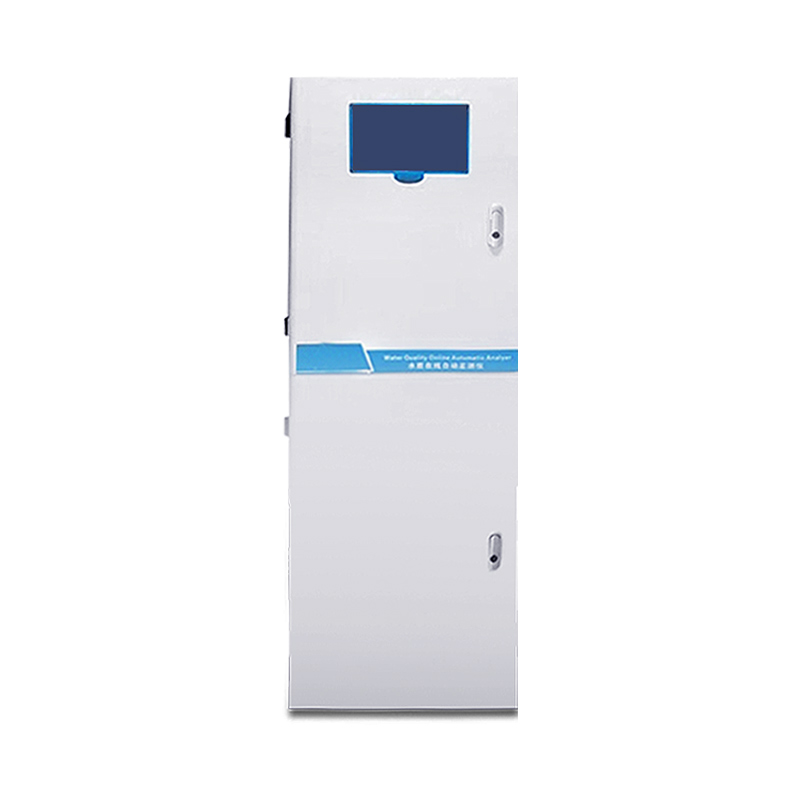
The Total Phosphorus Analyzer determines total phosphorus concentration in water using the ammonium molybdate spectrophotometric method and is suitable for both online monitoring and laboratory analysis of surface water, industrial wastewater, and domestic sewage. The instrument features autom...
Handheld Anemometer is a portable meteorological instrument used for measuring wind speed and direction. It is easy to operate and can accurately measure both meteorological elements simultaneously. It is widely used in meteorology, environmental protection, aviation, and various outdoor engineering activities....
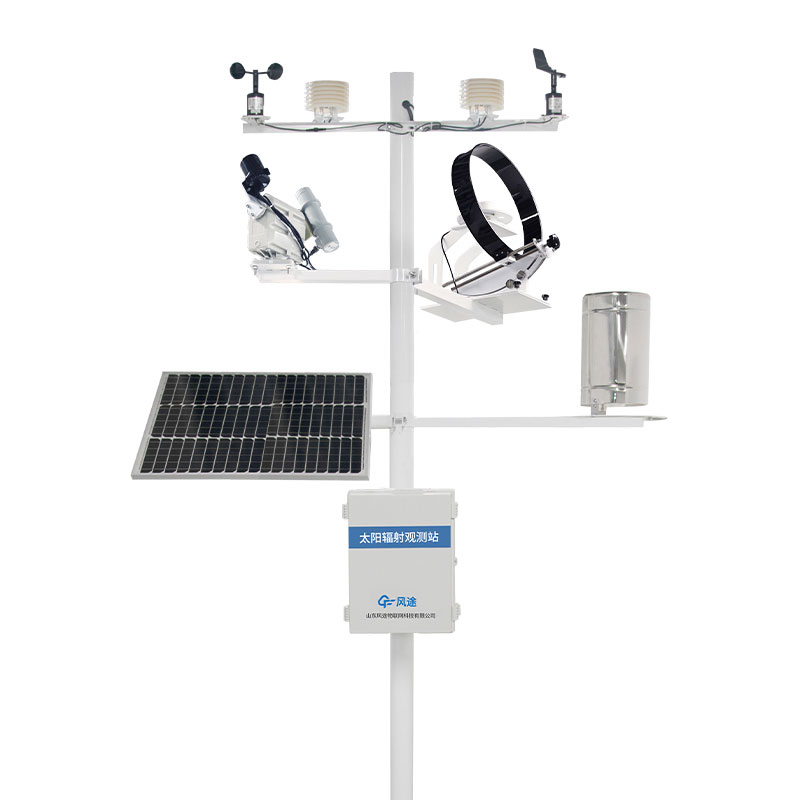
The Portable Weather Station, with its highly integrated and user - friendly design, has become a common device in fields such as outdoor activities, emergency response, and scientific research expeditions. It integrates a variety of high - precision sensors for temperature, humidity, wind speed, wi...


 Get a Free Quote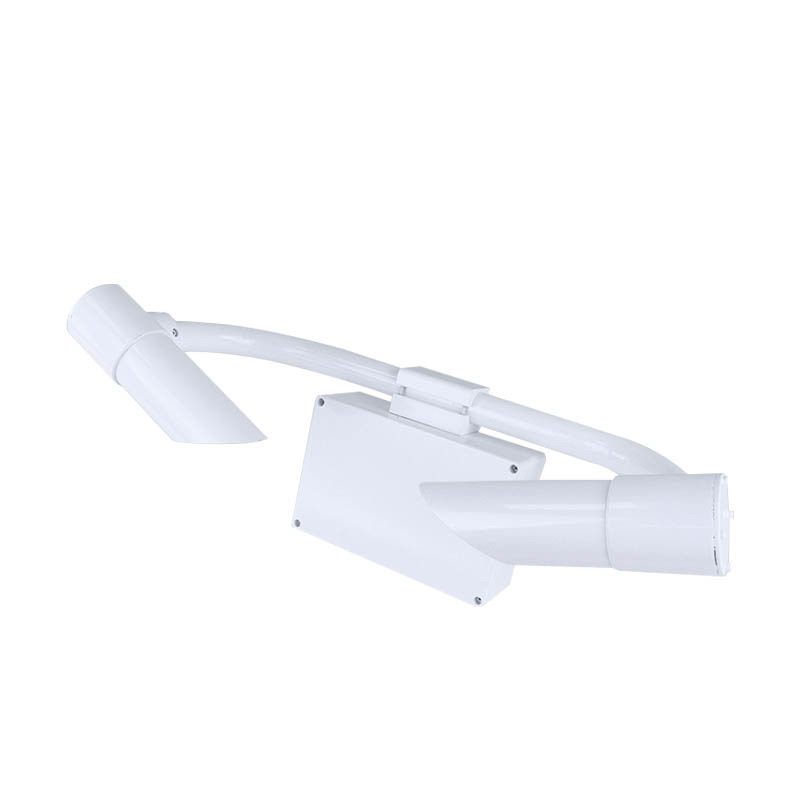
 Skype
Skype
 whatsapp
 mail
mail