Tianqiong Sensor IOT Technology Co., Ltd
Sales Manager:Ms. Emily Wang
Cel,Whatsapp,Wechat:+86 15898932201
Email:info@fengtutec.com
Add:No. 155 Optoelectronic Industry Accelerator, Gaoxin District, Weifang, Shandong, China


Sales Manager:Ms. Emily Wang
Cel,Whatsapp,Wechat:+86 15898932201
Email:info@fengtutec.com
Add:No. 155 Optoelectronic Industry Accelerator, Gaoxin District, Weifang, Shandong, China
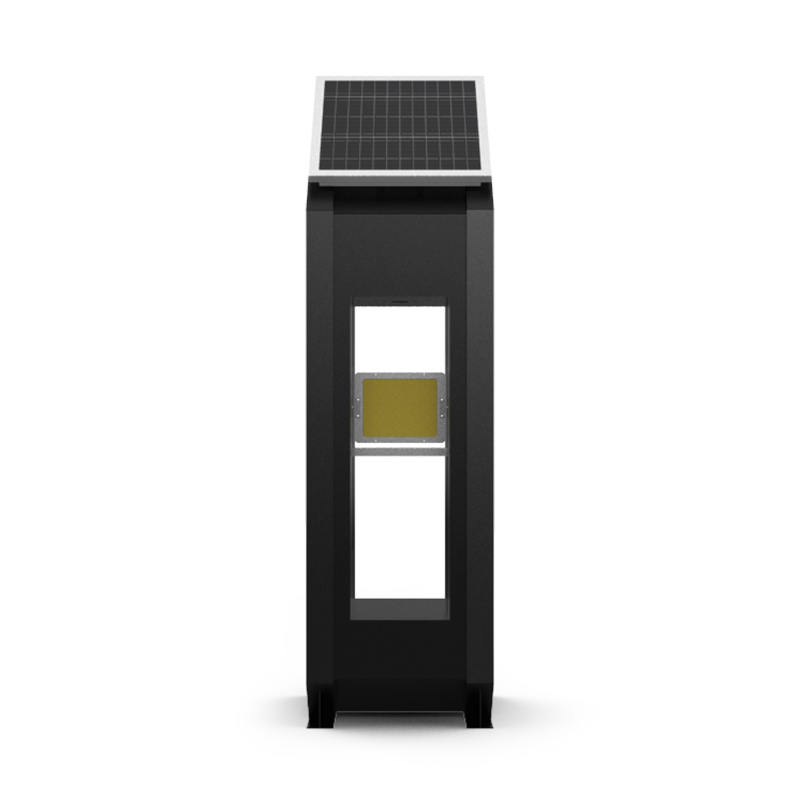
Model:FT-XM3
Brand:tianqiong
1.Wheat midge monitor product description
Wheat midge monitors are used to monitor wheat fields regularly to identify wheat midge infestations and to assess wheat midge density.The wheat slurry worm lurks in the husk of wheat sucks the grouting wheat grains, causing the weight of 1,000 grains to decrease, resulting in a reduction in yield.Wheat midge monitor is developed based on the principle that slurry is sensitive to specific colors.The equipment integrates the functions of automatically adjusting the height of the color plate, automatic rotation, automatic photo shooting, and automatic uploading of data.At the same time, it also conducts integrated monitoring of meteorological data to study the relationship between the outbreak of slurry and meteorological conditions.
2.Performance characteristics of Wheat midge monitor
1.Adopt optical, electrical and CNC technologies for automatic control.
2.Color 7-inch Chinese LCD capacitor touch screen operation; it can be set and controlled in time periods, automatic and manual photography can be taken; Android system intelligently controls, and displays ambient temperature, humidity and time.
3.Configure a 1200W pixel image acquisition device, which can capture insect situations on the color plate in real time through the camera, and the clarity of the captured image can meet the requirements of artificially identifying insect species.
4.Equipped with a lifting device that can automatically or manually lift the insect-attracting height of the color plate.
5.Various parameters of the instrument can be configured remotely through the server for easy maintenance and management.
6.Built-in GPS or Beidou positioning function, you can view device site and other data in the map.
7.Power supply method: solar power supply, solar energy is used in combination with batteries (DC type).
8.Equipped with a variety of environmental sensors such as wind speed, wind direction, air temperature, air humidity, and rainfall.
9.Network mode: Various networking methods: 4GWIFIWired can be selected at will, and can be managed online anytime, anywhere.
10.You can view device data through PC, APP, WeChat and other methods.
3.Technical parameters of Wheat midge monitor
1.Power supply: Solar panel power: 60W, battery specification: 12V 24AH
2.Power consumption: ≤50W
3.Insect attracting device: Swatch plate
4.Insulation resistance: ≥2.5 MΩ
An automatic weather station is a highly integrated, low-power, and quickly installable automatic meteorological observation device. It uses a twelve-element integrated sensor to monitor parameters such as wind speed, wind direction, temperature, humidity, air pressure, rainfall, and PM2.5 in...
The Negative Oxygen Ion Monitoring System is a monitoring framework built on professional technologies, with its core technical architecture integrating sensing technology and IoT communication technology. The sensor employs a universal capacitive detection principle to measure the concentration of...
Handheld Weather Station FT-SQ8+ is a "meteorological monitoring expert" trusted by numerous users.Equipped with a 3.5-inch LCD screen, the FT-SQ8+ can clearly display a wealth of elements such as wind speed, wind direction, average wind speed, temperature, humidity, atmospher...
The FT-ML3 Open Channel Flow Monitor is an automated system used for real-time monitoring of water flow in open channels such as rivers and irrigation canals. It is a fully automatic flow telemetry system designed for long-term, continuous monitoring of the entire water flow process in open channels...


 Get a Free Quote
 Skype
Skype
 whatsapp
 mail
mail