Tianqiong Sensor IOT Technology Co., Ltd
Sales Manager:Ms. Emily Wang
Cel,Whatsapp,Wechat:+86 15898932201
Email:info@fengtutec.com
Add:No. 155 Optoelectronic Industry Accelerator, Gaoxin District, Weifang, Shandong, China


Sales Manager:Ms. Emily Wang
Cel,Whatsapp,Wechat:+86 15898932201
Email:info@fengtutec.com
Add:No. 155 Optoelectronic Industry Accelerator, Gaoxin District, Weifang, Shandong, China
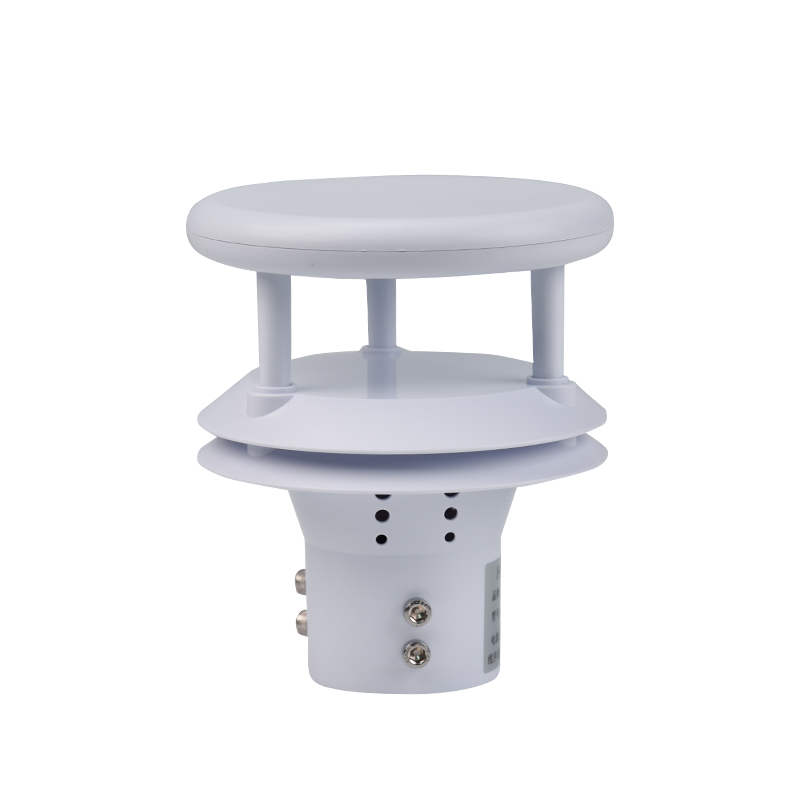
Model:FT-Y1
Brand:tianqiong
1.Product overview of piezoelectric rain sensor
piezoelectric rain sensor is a device that uses the piezoelectric effect to measure rainfall, measuring the pressure of raindrops and calculating the amount of water.The piezoelectric rain sensor uses PVDF piezoelectric film as a rain sensing device, and uses an embedded AI neural network to distinguish raindrop signals to avoid mistriggering caused by interference such as gravel, dust, and vibration.
It is widely used in meteorological environment monitoring, hydrological and water conservancy comprehensive monitoring stations, traffic road monitoring, agriculture, forestry, wind power generation and other relevant departments to remotely measure precipitation, precipitation intensity, and precipitation start and end time.It is used for automatic hydrological measurement and reporting systems, automatic field measurement stations, etc.for flood control, water supply scheduling, and water situation management of power stations.
2.Functional features of piezoelectric rain sensor
1.Integrated design, beautiful appearance
2.No mechanical accessories and no exposed parts, which can filter similar signals introduced by environmental factors such as leaves, dust, insects, etc.
3.High measurement accuracy, wide range, good stability performance, low power consumption, strong resistance to external interference
4.Can work around the clock, not affected by weather changes, and monitor rainfall duration accurately in seconds
5.Maintenance-free, the contact surface of the raindrop is an arc-shaped design structure, and does not store rainwater.
6.It has automatic horizontal calibration function after installation, no on-site calibration is required
7.Small size, easy to carry, disassemble and install
3.Piezoelectric rain sensor technical parameters
| Measurement range | 0-4mm/min |
| Measurement accuracy | ≤±4% |
| Resolution | 0.01mm |
| Sampling frequency | <1S |
| Communication interface | RS485 |
| Communication protocol | MODBUS |
| power supply | DC12V |
| Power consumption | 0.12W |
| Operating temperature | -40~85℃ |
| Working humidity | 0~100%RH |
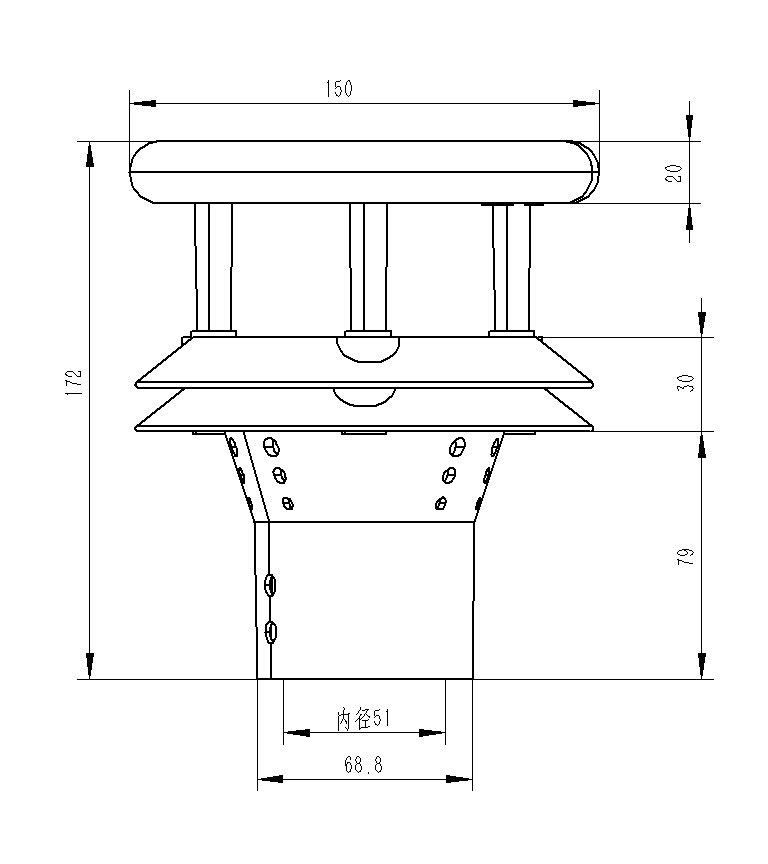
4.Piezoelectric rain sensor product size diagram
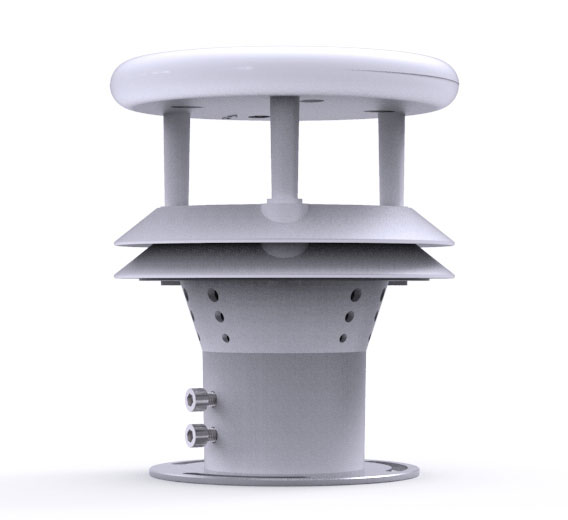
5.Piezoelectric rain sensor product structure diagram
6.Things to note about piezoelectric rain sensor
1.The radius of 1 meter around the sensor level is not blocked to avoid the influence of water droplets.
2.The sensor installation position should avoid strong mechanical vibration sources
3.The sensor should be installed in an open area, and raindrops should drip directly to the sensor, and should be avoided from secondary dripping and continuous water flow impact.
Within the meteorological observation system, meteorological stations encompass various types such as National Climate Observatories, National Reference Climate Stations, National Basic Meteorological Stations, National Meteorological Observation Stations, and Regional Automatic Meteorological Stati...
Water quality monitoring equipment is an integrated device based on Internet of Things (IoT) technology, capable of synchronously monitoring water conductivity, pH, dissolved oxygen, ammonia nitrogen, turbidity, and water temperature online. This system supports automatic data acquisition and transmission, and is suitable for long-term continuous monitoring in drinking water distribution networks and secondary water supply systems....
fluorescent quantitative PCR instrument is a 96-throughput real-time quantitative PCR instrument that supports both dye-based and probe-based detection reagents, enabling multiplex PCR analysis. The instrument is suitable for applications in molecular diagnostics, pathogen detection, and quant...
The handheld weather apparatus is a lightweight, portable meteorological observation device. Relying on precision sensors and intelligent chips, it accurately collects more than ten meteorological elements, supports GNSS positioning, long-term data storage, and 4G cloud data transmission, and...


 Get a Free Quote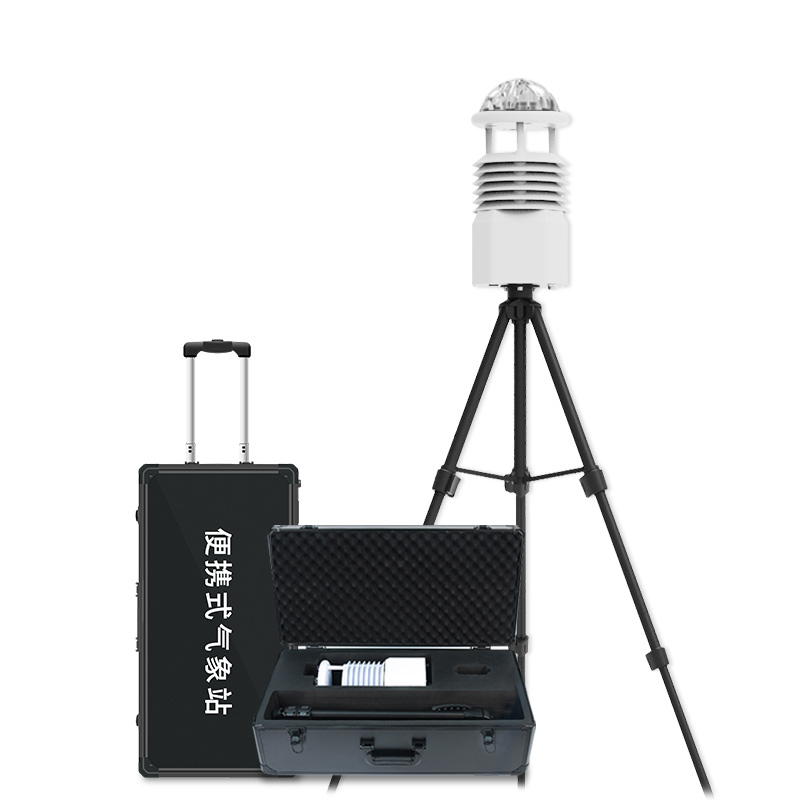
 Skype
Skype
 whatsapp
 mail
mail