Tianqiong Sensor IOT Technology Co., Ltd
Sales Manager:Ms. Emily Wang
Cel,Whatsapp,Wechat:+86 15898932201
Email:info@fengtutec.com
Add:No. 155 Optoelectronic Industry Accelerator, Gaoxin District, Weifang, Shandong, China


Sales Manager:Ms. Emily Wang
Cel,Whatsapp,Wechat:+86 15898932201
Email:info@fengtutec.com
Add:No. 155 Optoelectronic Industry Accelerator, Gaoxin District, Weifang, Shandong, China
time:2025-03-19 13:40:11 source:Weather Station viewed:494 time
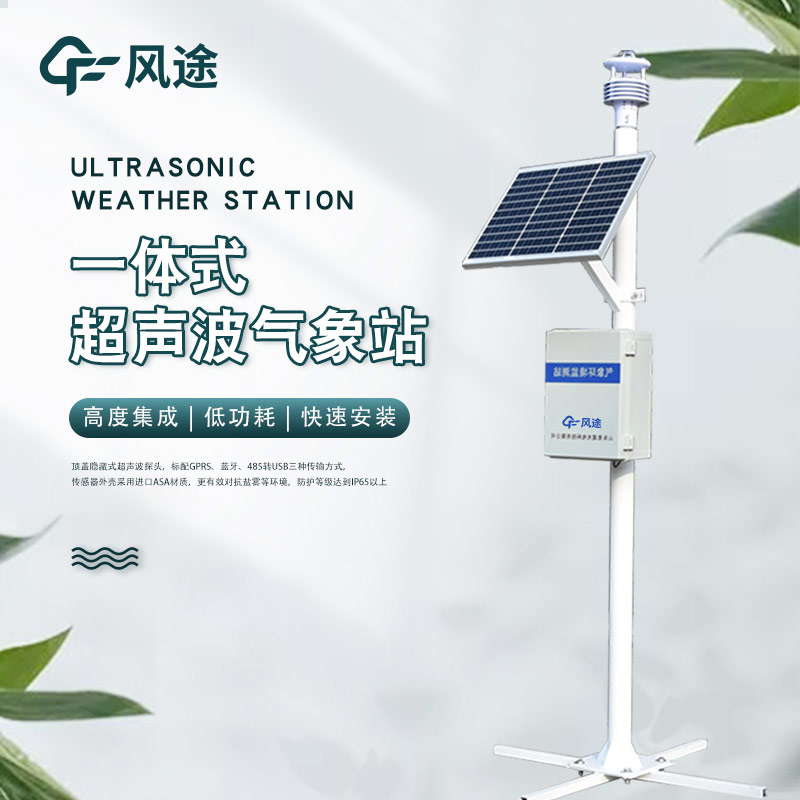
The Ultrasonic weather station utilizes ultrasonic technology to measure meteorological elements. When ultrasonic waves propagate in the air, their propagation speed is affected by air flow. When the wind blows from different directions, the propagation times of ultrasonic waves in the downwind and upwind directions are different. By accurately measuring this time difference, the wind speed and wind direction can be calculated.
This measurement method has advantages such as non - contact, high accuracy, and strong reliability. It can quickly and accurately obtain real - time wind speed and wind direction information, and is not affected by severe weather conditions such as rain, snow, and sandstorms. Compared with traditional mechanical wind speed and wind direction measuring instruments, it has higher stability and durability.
The "automation" feature is another important advantage of this weather station. The Ultrasonic weather station has an automated data collection function. It can automatically start each sensor to collect meteorological data at preset time intervals without human intervention. It can work continuously and stably regardless of whether it is day or night and regardless of the weather conditions. The collected data will be automatically transmitted to the data processing unit, where it is analyzed, processed, and stored. It can also transmit data in real - time to a remote control center or monitoring platform through a wireless communication module, enabling meteorological workers to obtain the latest meteorological data at any time from a location far from the site, thus realizing real - time monitoring and management of meteorological information.
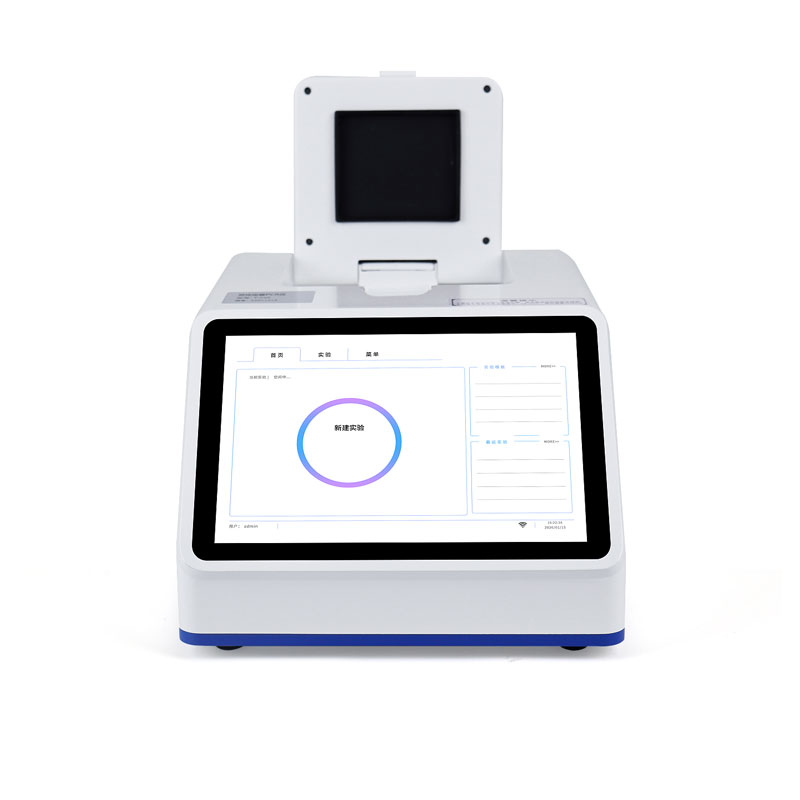
Sex identification in birds is a professional instrument capable of real-time detection. It consists of a dual-channel 16-well quantitative PCR instrument and a portable accessory kit. Simple to operate, it uses a non-invasive method to identify the sex of birds. Relying on molecular biology a...
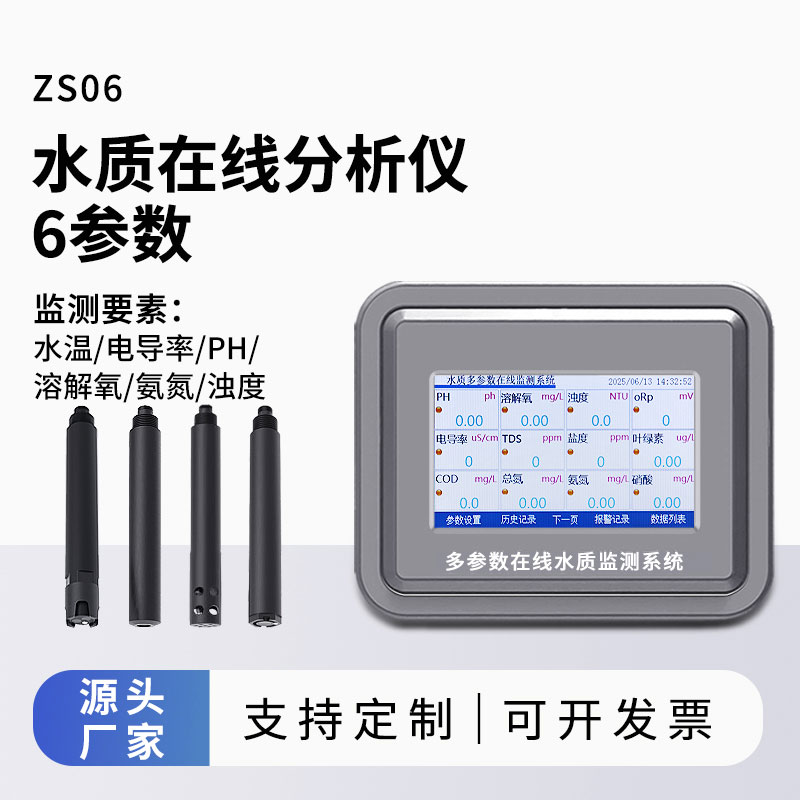
Water quality monitoring equipment is an integrated device based on Internet of Things (IoT) technology, capable of synchronously monitoring water conductivity, pH, dissolved oxygen, ammonia nitrogen, turbidity, and water temperature online. This system supports automatic data acquisition and transmission, and is suitable for long-term continuous monitoring in drinking water distribution networks and secondary water supply systems....
Meteorological Stations integrates twelve meteorological parameters: wind speed, wind direction, temperature, humidity, atmospheric pressure, optical rainfall, PM2.5, PM10, CO, SO2, NO2, and O3. The sensor housing is constructed from imported ABS material, offering an ingress protection rating...
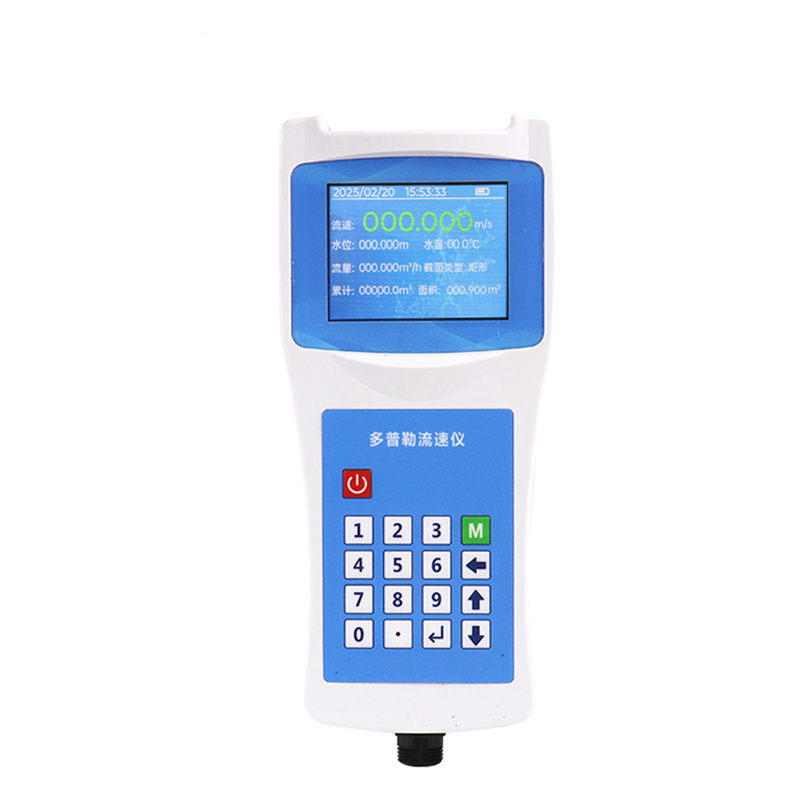
With the accelerated pace of current urban construction and the frequent occurrence of abnormal climates, the pressure on drainage facilities has increased dramatically, and traditional waterlogging drainage methods are insufficient to withstand waterlogging caused by heavy rainfall. Against this ba...


 Skype
Skype
 whatsapp
 mail
mail