Tianqiong Sensor IOT Technology Co., Ltd
Sales Manager:Ms. Emily Wang
Cel,Whatsapp,Wechat:+86 15898932201
Email:info@fengtutec.com
Add:No. 155 Optoelectronic Industry Accelerator, Gaoxin District, Weifang, Shandong, China


Sales Manager:Ms. Emily Wang
Cel,Whatsapp,Wechat:+86 15898932201
Email:info@fengtutec.com
Add:No. 155 Optoelectronic Industry Accelerator, Gaoxin District, Weifang, Shandong, China
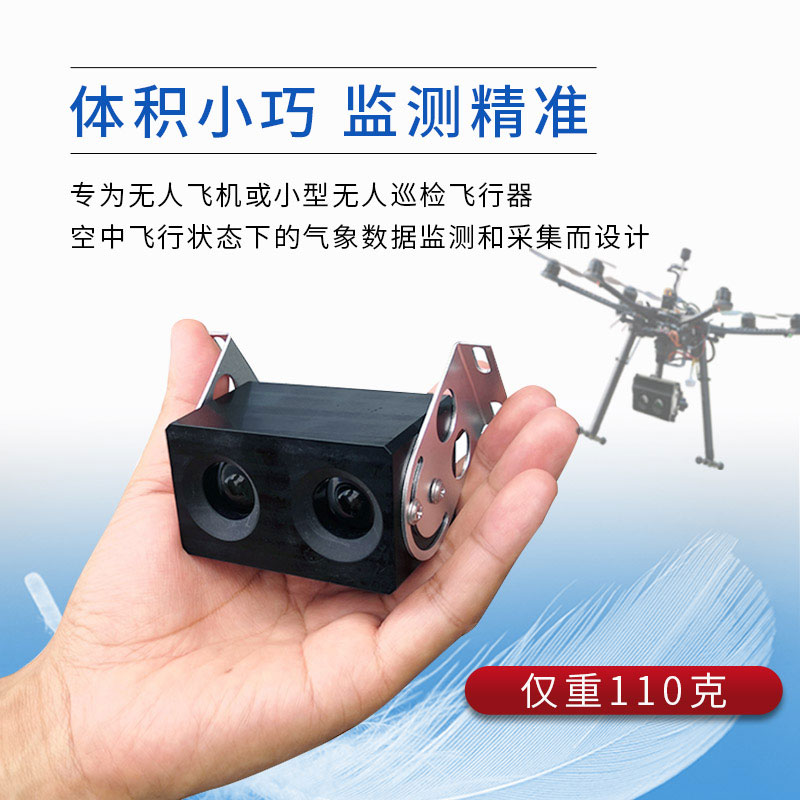
Model:FT-WJN4
Brand:tianqiong
1.Uav visibility meter product features
Uav visibility meter can effectively evaluate the visibility in the air, with ultra-small shape, ultra-low wind resistance, ultra-light weight and ultra-low power consumption.
1.The Uav visibility meter weighs only 110 grams and is designed for meteorological data monitoring and collection in the air flight of unmanned aircraft or small unmanned patrol vehicles;
2.It has a compact appearance, strong anti-electromagnetic interference and dustproof function, and can work normally in an altitude of 4,000 meters and minus 20 degrees;
3.The "four-ultra" visibility meter with ultra-mini appearance, ultra-low wind resistance, ultra-light weight and ultra-low power consumption has a power consumption of only 0.9 watts, making it very suitable for small drone platforms and flight control systems, as well as environmental monitoring using aircraft;
2.Uav visibility meter size and weight
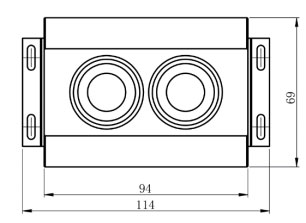
Visibility dimensions: 94mm*69mm*42mm
Visibility + mounting bracket size: 114mm*69mm*73mm
Visibility weight: 110g
3.Main technical parameters of Uav visibility meter
Test range: 10-4000 meters
Measurement accuracy: ±15%
Light source: IR LED
Response time: 10 seconds
Digital output: RS485, RS232, SDI-12
Bluetooth output: BLE5.0 (optional)
Working temperature: -20-50°C
Working humidity: 0-95%
Supply voltage: VDC 12-24V
Power consumption: 0.9W
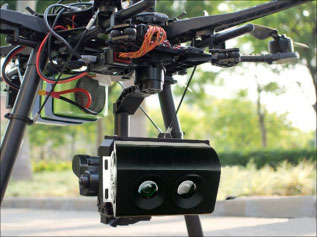
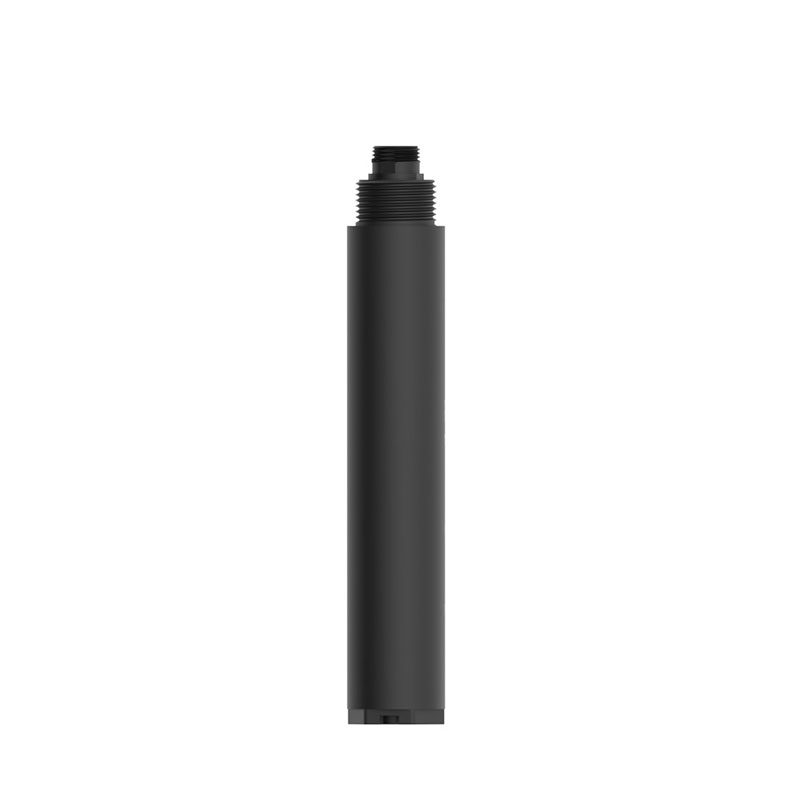
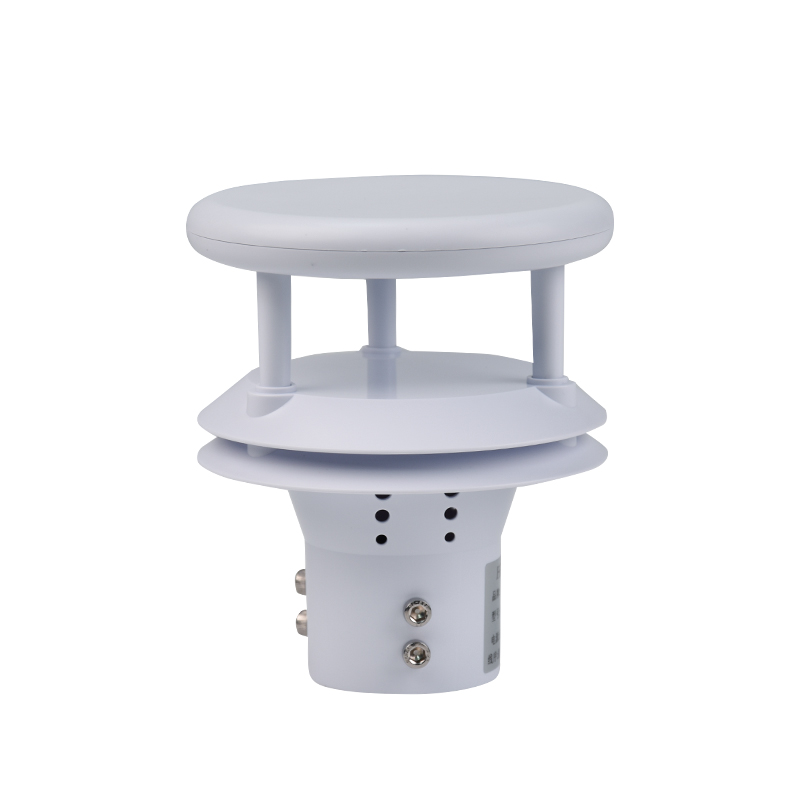
4.Uav visibility meter product size diagram and real image
Climate change is leading to more frequent and intense extreme weather events (such as droughts, floods, heatwaves, and late spring cold snaps). These weather events cause devastating impacts on agricultural production. Traditional, experience-dependent farming models struggle to cope with this unce...
Vehicle-mounted anemometer and wind direction sensor is a meteorological monitoring device specifically designed for mobile platforms. It utilizes a two-element integrated ultrasonic sensor to provide real-time wind speed and direction measurements. Its top cover features a concealed probe des...
The bird DNA Test device, priced at 68,000 yuan, can simultaneously identify the sex of pigeons and perform genotyping of genes affecting flight ability, such as homing ability (DRD4), endurance (LDHA), and navigation ability (CRY1). The device supports processing multiple samples simultaneous...
Ground-based meteorological observation statio is a multi-parameter automatic weather station that monitors multiple parameters in real time....


 Get a Free Quote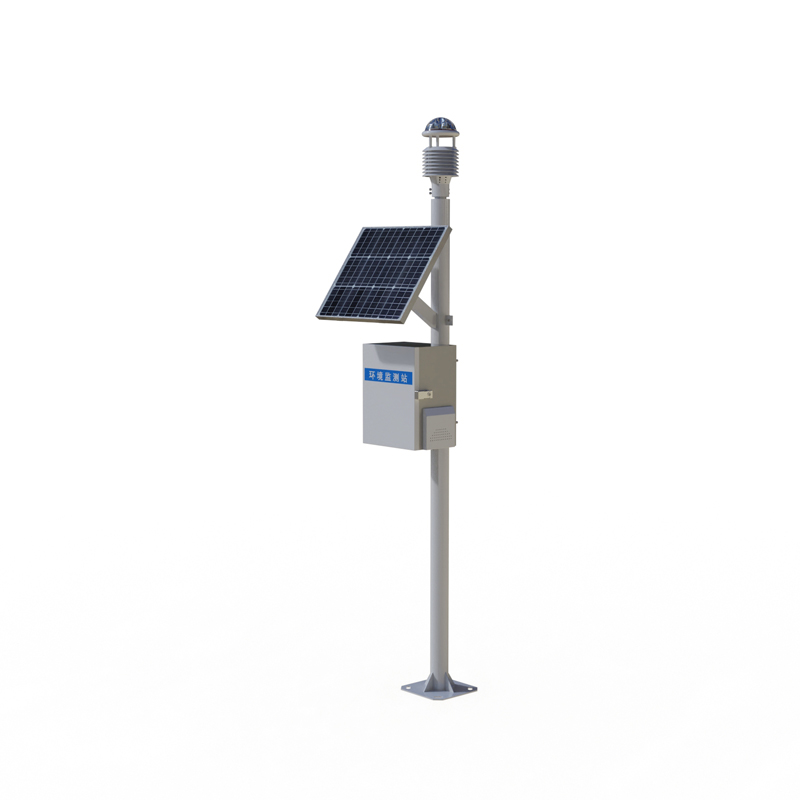
 Skype
Skype
 whatsapp
 mail
mail