Tianqiong Sensor IOT Technology Co., Ltd
Sales Manager:Ms. Emily Wang
Cel,Whatsapp,Wechat:+86 15898932201
Email:info@fengtutec.com
Add:No. 155 Optoelectronic Industry Accelerator, Gaoxin District, Weifang, Shandong, China


Sales Manager:Ms. Emily Wang
Cel,Whatsapp,Wechat:+86 15898932201
Email:info@fengtutec.com
Add:No. 155 Optoelectronic Industry Accelerator, Gaoxin District, Weifang, Shandong, China
time:2026-07-17 10:02:54 source:Weather Station viewed:50 time
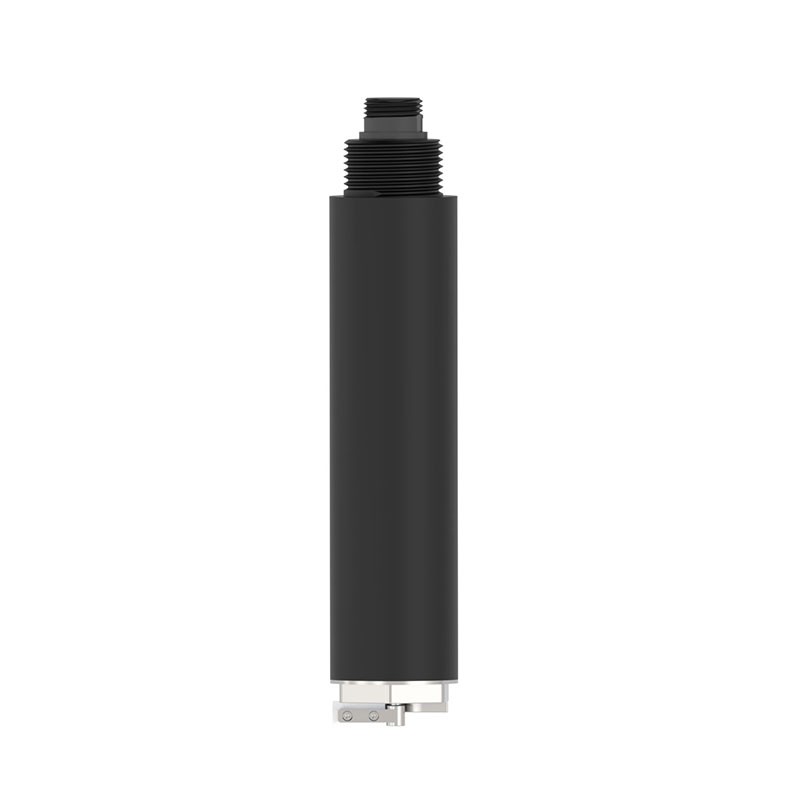
Self-cleaning Turbidity Sensor sensor uses the 90° scattering light method to measure the concentration of suspended particles in liquids, with a range of 0-1000 NTU and an accuracy of ±1%. It features a built-in automatic cleaning brush that periodically cleans the optical window, and, combined with RS-485 output and automatic temperature compensation, enables long-term online monitoring without manual maintenance.
Turbidity is a key indicator in water quality monitoring, measuring the content of suspended particulate matter in water bodies, and is widely used in drinking water treatment, industrial process control, environmental monitoring, and aquaculture. Traditional turbidity sensors are immersed in water for extended periods, and the optical window is prone to adhesion of dirt, biofilm, and suspended impurities, leading to data drift and inaccuracies. Frequent manual cleaning and maintenance is not only costly and inefficient but also fails to meet the requirements of 24-hour uninterrupted monitoring.
Self-cleaning Turbidity Sensor sensor solves this problem through its built-in automatic cleaning device. The sensor features an intelligent automatic cleaning module that automatically cleans the optical detection window at regular intervals, efficiently scraping away attached sludge, suspended solids, microbial film, and various deposits, thus preventing measurement errors and optical path obstruction caused by probe contamination. Users can set the cleaning time and frequency according to actual working conditions. The cleaning brush consumes approximately 1.5W when working and only 0.5W when not in use.
Regarding the measurement principle, Self-cleaning Turbidity Sensor employs the 90° angle scattering method. The sensor uses a light source to illuminate the liquid; the light is scattered upon encountering suspended particles. An optical detector positioned at a 90° angle receives the scattered light, and the turbidity value is calculated by analyzing the intensity of the scattered light. After linearization, the collected values undergo automatic temperature compensation via a built-in temperature sensor, effectively offsetting detection errors caused by water temperature changes. The sensor's default measurement range is 0-1000 NTU, with a resolution of 0.1 NTU and a measurement accuracy of ±1%.
Self-cleaning Turbidity Sensor supports RS-485 digital output and is compatible with Modbus/RTU protocols, enabling quick connection to industrial equipment such as PLCs, industrial PCs, and data loggers. It features an immersion mounting method with 3/4 NPT mounting threads and a standard 5-meter cable. Operating temperature is 0-50℃, and with an IP68 protection rating, it can operate continuously submerged in water. This device eliminates the need for manual disassembly and cleaning, significantly reducing maintenance frequency and labor costs, making it suitable for unattended online monitoring scenarios.
Agricultural Weather Stations,Customizable Parameters and Intelligent Monitoring as Key Tools for Scientific Decision-making in AgricultureAgricultural Weather Stations enable free customization of parameters and intelligent monitoring, serving as vital tools for scientific decision-making in agricu...
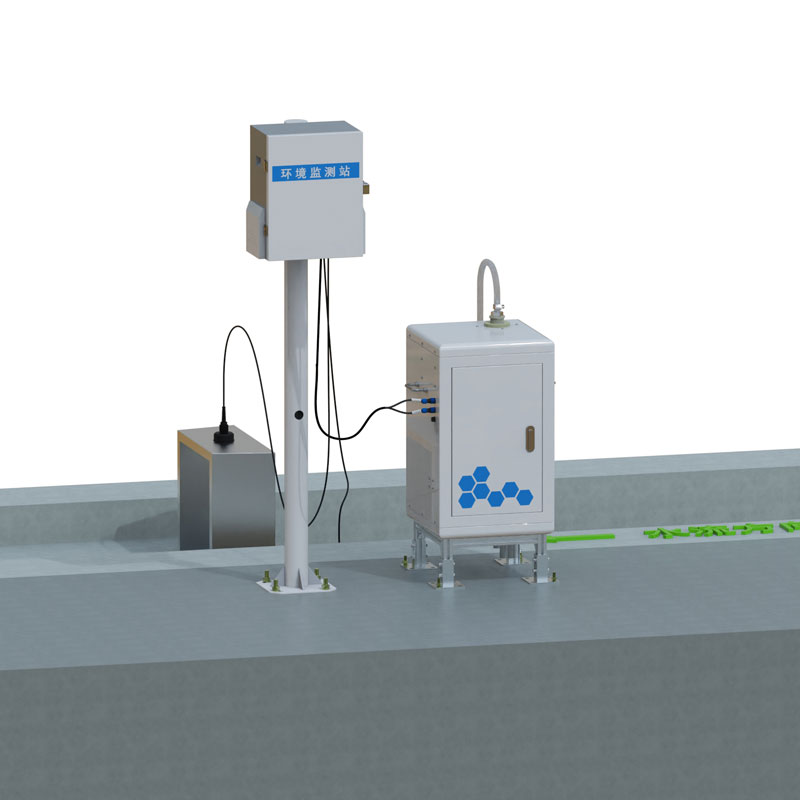
The LED-display Small Weather Station is capable of monitoring negative oxygen ion concentration in the air around the clock and can expand monitoring items according to user needs, such as meteorological parameters like air temperature, air humidity, PM2.5, and PM10.Measurement Principles and Techn...
The microclimate of farmland refers to the small-scale climatic environment formed by the interaction among the surface air layer, soil layer and crop population in the farmland. It is reflected by the values of agricultural meteorological elements such as radiation, air temperature and humidity, wi...
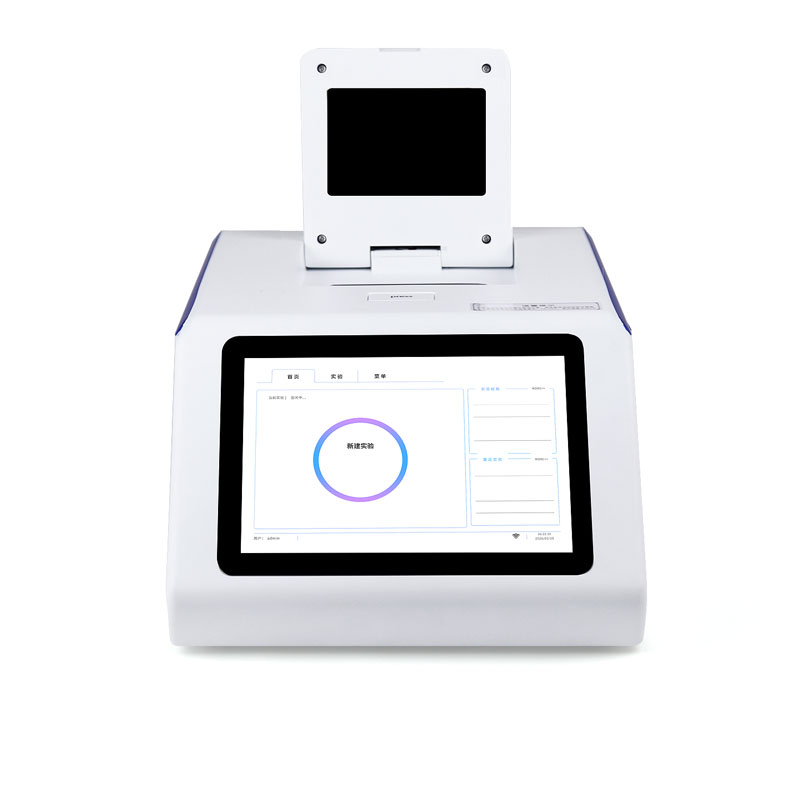
Rapid Meat Authenticity Detector is a specialized device that utilizes real-time fluorescence PCR technology to detect animal-derived ingredients. It enables the rapid qualitative identification of various meats—including pork, beef, lamb, horse, donkey, duck, and chicken. The device is user-...


 Skype
Skype
 whatsapp
 mail
mail