Tianqiong Sensor IOT Technology Co., Ltd
Sales Manager:Ms. Emily Wang
Cel,Whatsapp,Wechat:+86 15898932201
Email:info@fengtutec.com
Add:No. 155 Optoelectronic Industry Accelerator, Gaoxin District, Weifang, Shandong, China


Sales Manager:Ms. Emily Wang
Cel,Whatsapp,Wechat:+86 15898932201
Email:info@fengtutec.com
Add:No. 155 Optoelectronic Industry Accelerator, Gaoxin District, Weifang, Shandong, China
time:2026-08-06 09:51:47 source:Weather Station viewed:21 time
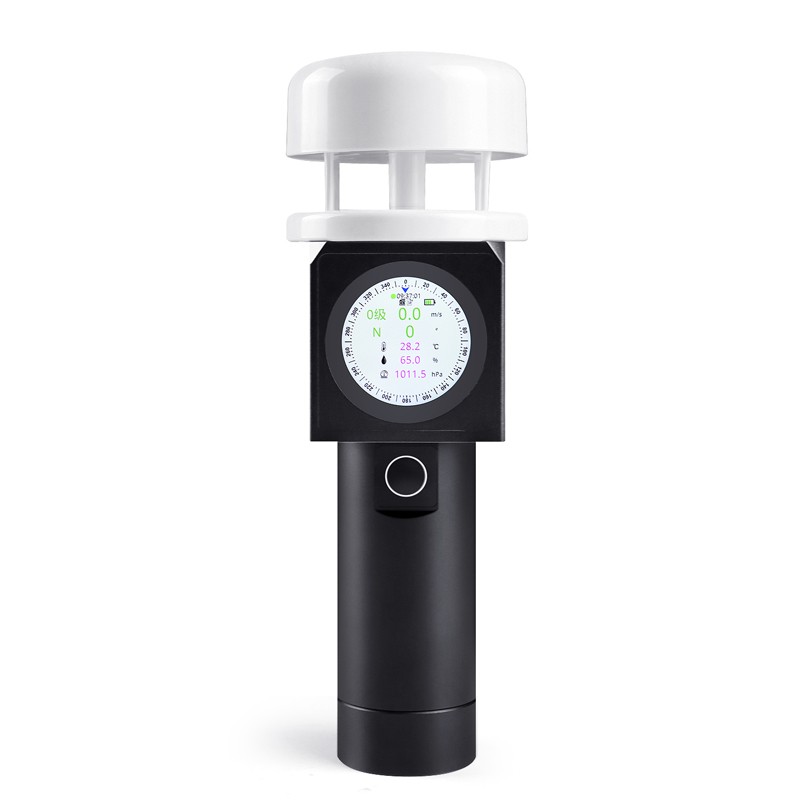
Utilizing core technologies such as ultrasonic sensing, the portable mobile weather station features a convenient aluminum alloy handle, supports TF card storage and Bluetooth app communication, and can monitor multiple meteorological elements. It can also be mounted on a tripod for temporary field testing.
This portable mobile weather station integrates laboratory-grade meteorological monitoring technology into a handheld device, including a handle, power supply, display screen, wireless transmission hardware, and accompanying control software. Relying on three core technologies—ultrasonic sensing, multi-module integration, and smart IoT—it provides a one-stop solution for collecting various meteorological data in outdoor environments.
The portable mobile weather station is structurally optimized for field operations. Its built-in display screen allows staff to read monitoring values on-site. Data can be stored on a TF memory card, providing at least 365 days of complete monitoring records. The device features dedicated mobile software and transmits signals via Bluetooth, allowing operators to receive real-time meteorological data from the field on their mobile devices.
This portable mobile weather station offers comprehensive meteorological parameter monitoring. Wind speed measurement ranges from 0-40 m/s, supporting wind speeds of 1-12 levels; wind direction detection ranges from 0-359°, identifying eight basic wind directions; temperature measurement ranges from -40℃ to +80℃; air humidity detection ranges from 0-100%; and atmospheric pressure monitoring ranges from 300-1100 hPa. Altitude, ambient light, solar radiation, UV index, and PM2.5 and PM10 particulate matter detection are optional features, and corresponding sensor components can be added according to actual monitoring needs.
The entire unit is held in a lightweight, all-aluminum alloy handle, allowing for easy one-handed operation during inspections. A pre-drilled thread at the bottom allows for mounting on a tripod, suitable for various temporary field surveys. The highly integrated hardware and low power consumption, combined with a simple and quick deployment process, make it ideal for rapid deployment in field locations. Compared to traditional fixed large-scale meteorological monitoring devices, it is free from site installation constraints, takes into account the monitoring accuracy of multiple elements and the ability to operate mobilely, and can be adapted to various outdoor monitoring scenarios such as field research, emergency inspection, outdoor engineering survey, and on-site environmental investigation, providing stable and detailed on-site meteorological monitoring data for various outdoor work.
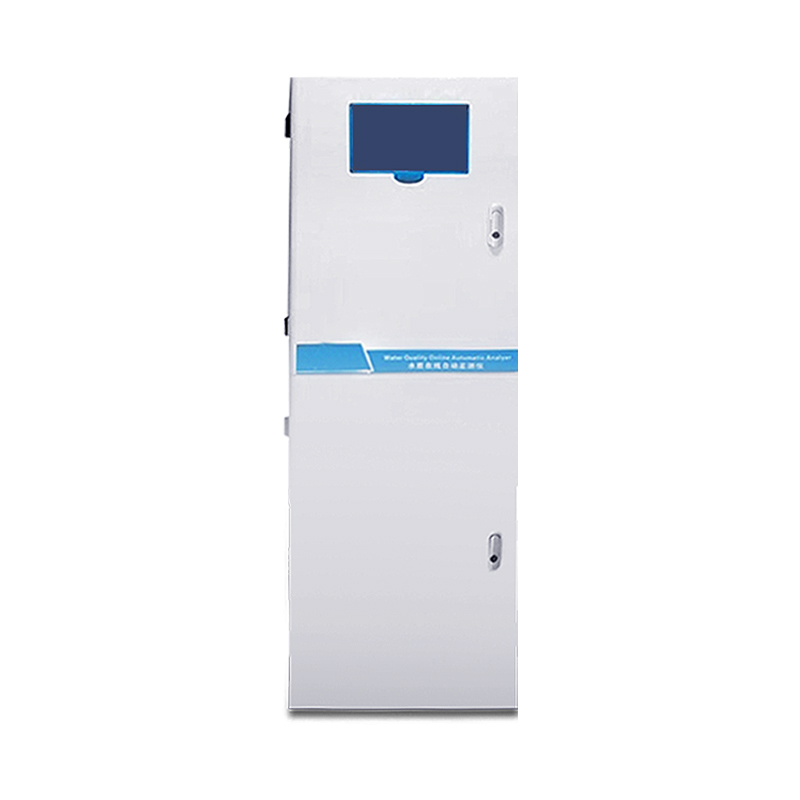
Water quality monitoring equipment is an integrated device based on Internet of Things (IoT) technology, capable of synchronously monitoring water conductivity, pH, dissolved oxygen, ammonia nitrogen, turbidity, and water temperature online. This system supports automatic data acquisition and transmission, and is suitable for long-term continuous monitoring in drinking water distribution networks and secondary water supply systems....
A School Weather Station is a comprehensive device established on campus that can automatically, continuously, and in real-time observe and record various meteorological elements. Composed of sensors, data loggers, power supply systems, communication modules, and data display platforms (such as camp...
As environmental pollution becomes increasingly complex, the limitations of traditional air monitoring methods are gradually becoming apparent. The national ambient air monitoring network has a limited number of stations and high costs, and the method of using points to represent the whole area resu...
The Buoy Type Water Quality Online Monitoring System is a self-developed miniaturized automatic water quality monitoring system, leveraging years of R&D experience in meteorological stations. It adopts a pre-integrated outdoor monitoring design with a small footprint, and integrates multiple tec...


 Skype
Skype
 whatsapp
 mail
mail