Tianqiong Sensor IOT Technology Co., Ltd
Sales Manager:Ms. Emily Wang
Cel,Whatsapp,Wechat:+86 15898932201
Email:info@fengtutec.com
Add:No. 155 Optoelectronic Industry Accelerator, Gaoxin District, Weifang, Shandong, China


Sales Manager:Ms. Emily Wang
Cel,Whatsapp,Wechat:+86 15898932201
Email:info@fengtutec.com
Add:No. 155 Optoelectronic Industry Accelerator, Gaoxin District, Weifang, Shandong, China
time:2025-10-23 08:56:00 source:Weather Station viewed:499 time
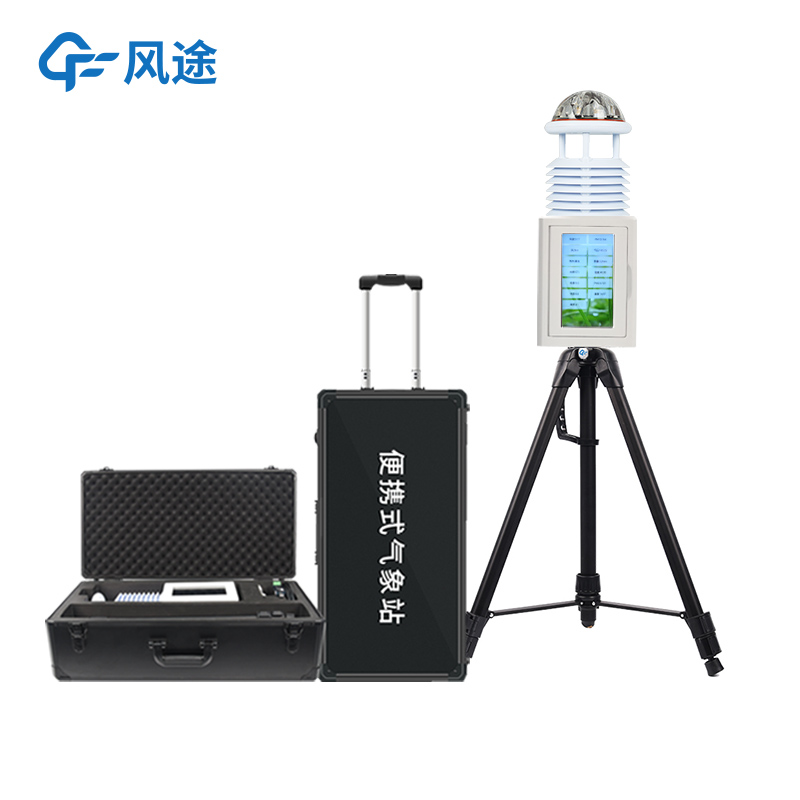
A Cellular Weather Station is a highly integrated, portable meteorological observation device capable of real-time monitoring of multiple environmental and meteorological parameters, providing flexible data support for field monitoring, emergency response, scientific research, education, and other fields.
The development of Cellular Weather Stations was primarily aimed at overcoming the limitations of traditional large-scale weather stations, which occupy large areas and are difficult to move. They fill the gap for rapid acquisition of meteorological data in emergency response to sudden incidents, field scientific expeditions, and refined monitoring tasks in specific small areas.
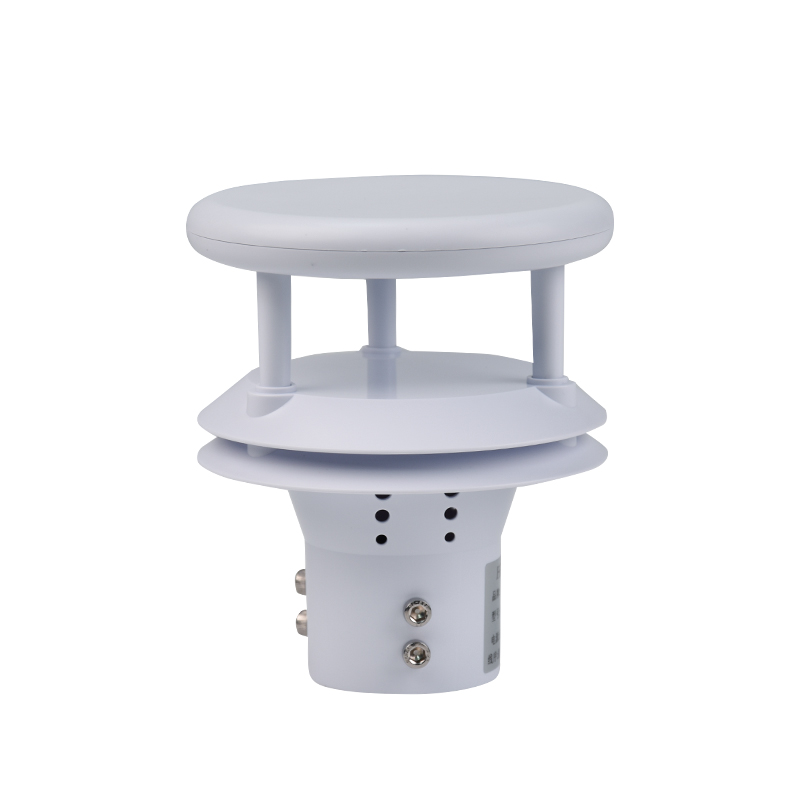
The equipment integrates high-precision ultrasonic or digital sensors, enabling real-time monitoring of multiple meteorological elements including wind speed, wind direction, air temperature, humidity, atmospheric pressure, illumination, and PM2.5. Data transmission supports multiple wireless methods such as 4G, Bluetooth, and GPRS. Measurement data can be uploaded to cloud platforms in real-time, allowing users to remotely view data and receive alarm information via mobile phones or computers, achieving intelligent and remote monitoring.
Currently, Cellular Weather Stations have been widely applied in numerous fields:
They can be used for on-site monitoring and temporary networking during various environmental emergencies or severe weather events.
They help farmers monitor microclimates inside greenhouses, and through linkage with ventilation and other equipment, effectively regulate the environment, reduce disease risks, and improve crop quality and yield.
They also serve as powerful tools for meteorological data acquisition and teaching demonstrations in scientific research, education, airports, ports, and other scenarios.
Since ancient times, agriculture has been the industry most closely tied to natural conditions, with "relying on heaven for food" being the most authentic portrayal of farmers. Traditional agricultural production heavily relies on personal experience and passed-down farming proverbs to pre...
Gridization is a technical means that divides the geographical space into several regular or irregular grid units. Through independent monitoring, analysis, and management of each grid, it achieves refined management of the entire region. In the field of environmental monitoring, grid-based manageme...
The high-precision handheld 6-element weather station is a mobile weather observation instrument that integrates precision sensors and smart chips to simultaneously measure wind speed, wind direction, average wind speed, temperature, humidity, and atmospheric pressure. It has built-in large-ca...
Soil moisture automatic measurement relies on multiple sensor technologies. For soil water content measurement, Frequency Domain Reflectometry (FDR) and Time Domain Reflectometry (TDR) are commonly used. FDR sensors calculate water content by measuring the soil's dielectric constant, as there is...


 Skype
Skype
 whatsapp
 mail
mail