Tianqiong Sensor IOT Technology Co., Ltd
Sales Manager:Ms. Emily Wang
Cel,Whatsapp,Wechat:+86 15898932201
Email:info@fengtutec.com
Add:No. 155 Optoelectronic Industry Accelerator, Gaoxin District, Weifang, Shandong, China


Sales Manager:Ms. Emily Wang
Cel,Whatsapp,Wechat:+86 15898932201
Email:info@fengtutec.com
Add:No. 155 Optoelectronic Industry Accelerator, Gaoxin District, Weifang, Shandong, China
time:2026-05-06 13:05:38 source:Weather Station viewed:228 time
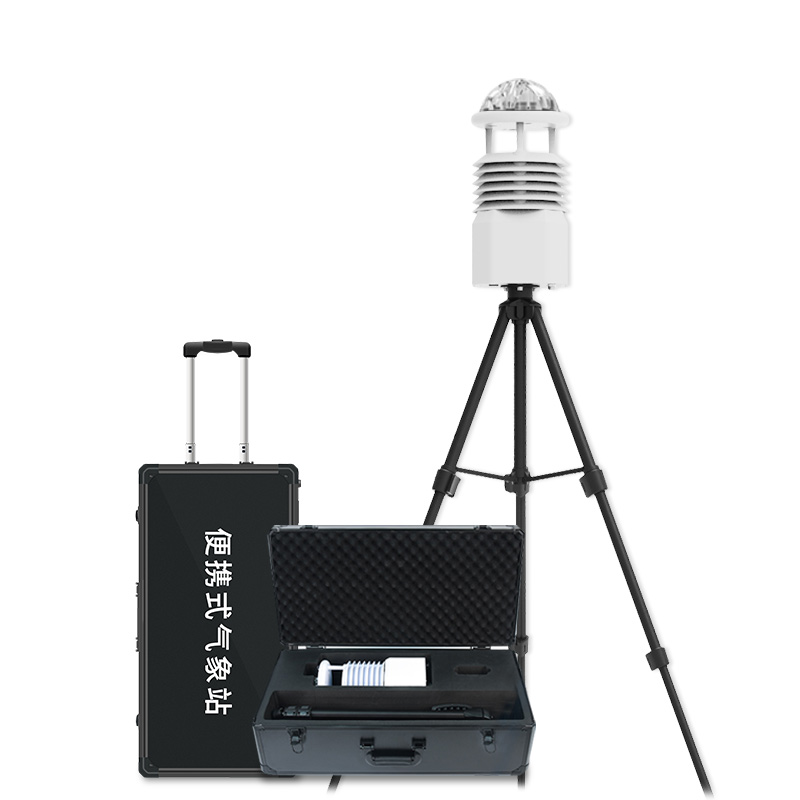
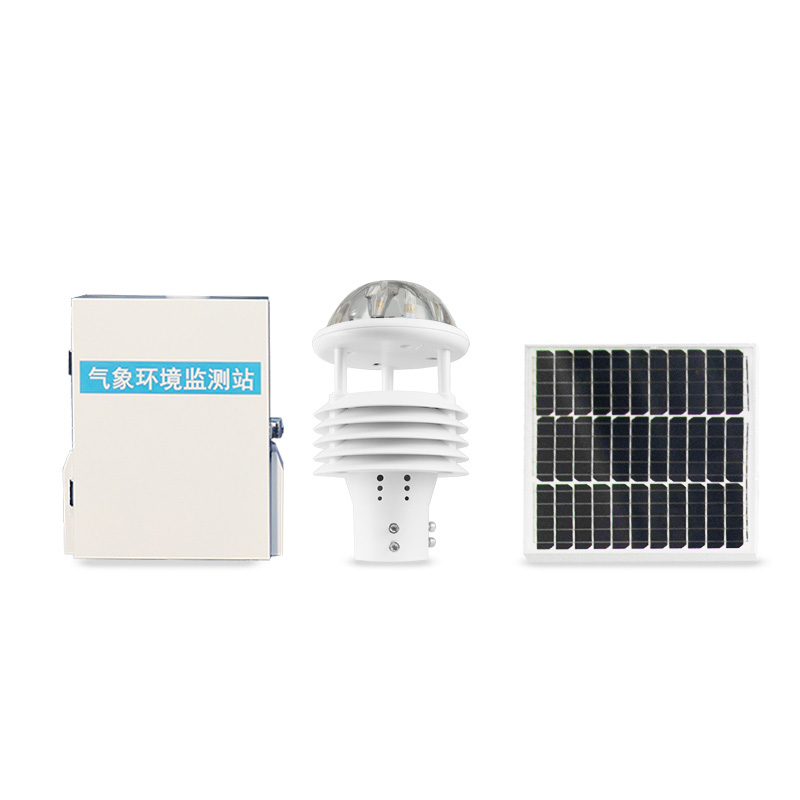
Wireless Weather Station Features an integrated 7-in-1 sensor module capable of real-time measurement of wind speed, wind direction, air temperature, humidity, atmospheric pressure, illuminance, and optical rainfall. It comes standard with three data transmission methods—GPRS, Bluetooth, and RS485-to-USB—and supports data uploading to a cloud platform as well as remote monitoring via a mobile app.
Wireless Weather Station Integrates sensors for seven meteorological parameters—wind speed, wind direction, air temperature, humidity, atmospheric pressure, illuminance, and optical rainfall—into a single, unified probe housed within a compact enclosure. This design achieves significant miniaturization and weight reduction at the hardware level. The entire weather station weighs no more than 5 kilograms and is supplied with a retractable aluminum alloy tripod stand and a shock-resistant, protective wheeled case; a single operator can carry the unit to the deployment site with just one hand, and the entire process—from unboxing to power-on and deployment—can be completed within two minutes. The sensor housing is constructed from imported ABS material, offering excellent resistance to salt spray corrosion. With an IP65-plus protection rating, the device ensures long-term, stable operation in harsh outdoor environments—such as coastal areas or foggy, rainy conditions—without requiring frequent maintenance.
Regarding the measurement principles for meteorological parameters: wind speed and direction are determined using ultrasonic sensing technology. The device's top cover features a concealed ultrasonic probe design, effectively preventing rain or snow accumulation from obstructing or interfering with the sensors. The probes detect wind speed and direction by emitting continuous, variable-frequency ultrasonic signals and measuring the relative phase shift; the wind speed range spans 0 to 60 meters per second, while the wind direction range covers 0 to 360 degrees. Air temperature is measured using the diode junction voltage method; humidity is measured via a capacitive sensor; and atmospheric pressure is measured using a piezoresistive sensor. The illuminance measurement range is 0 to 157,286 lux, and the optical rainfall range is 0 to 4 millimeters per minute, with a data update frequency of once per second.
Wireless Weather Station In terms of data transmission, the device offers three simultaneous options to meet the diverse requirements of various operational scenarios. The standard-equipped GPRS wireless transmission module enables the real-time uploading of observational data to a cloud-based platform via mobile communication networks. Featuring full 4G network compatibility, the device can automatically establish a network connection and push data whenever it is located within an area with signal coverage. Bluetooth transmission is utilized to enable field personnel to access real-time data at close range via a mobile app, making it ideal for short-range device debugging and rapid on-site data verification. Conversely, the RS485-to-USB wired connection facilitates data export and local storage in remote areas lacking network coverage, allowing for a direct link between the device and a laptop. The device features an internal data storage capacity of no fewer than 500,000 records—sufficient to retain monitoring data for a minimum of three months—and users can retrieve this historical data at any time via the USB interface.
The accompanying standalone PC software, Android mobile app, and cloud platform collectively form a comprehensive software service ecosystem. Users can log in to the cloud platform via a mobile device or web browser to view real-time meteorological data, historical data trends, and a map displaying device locations; the platform supports simultaneous access by multiple accounts and devices, thereby meeting the collaborative requirements of meteorological agencies and research institutions. This device finds widespread application across diverse fields, including emergency meteorological observation, mobile monitoring vehicle integration, agricultural and forestry research, meteorological support for airports and ports, scientific expeditions, and campus-based meteorological education. Thanks to its compact size, plug-and-play functionality (requiring no complex installation or debugging), single-person deployability, and extended battery life (featuring a built-in 12,000 mAh lithium battery capable of over 50 hours of continuous operation), this type of device offers distinct deployment advantages for fieldwork and mobile monitoring scenarios.
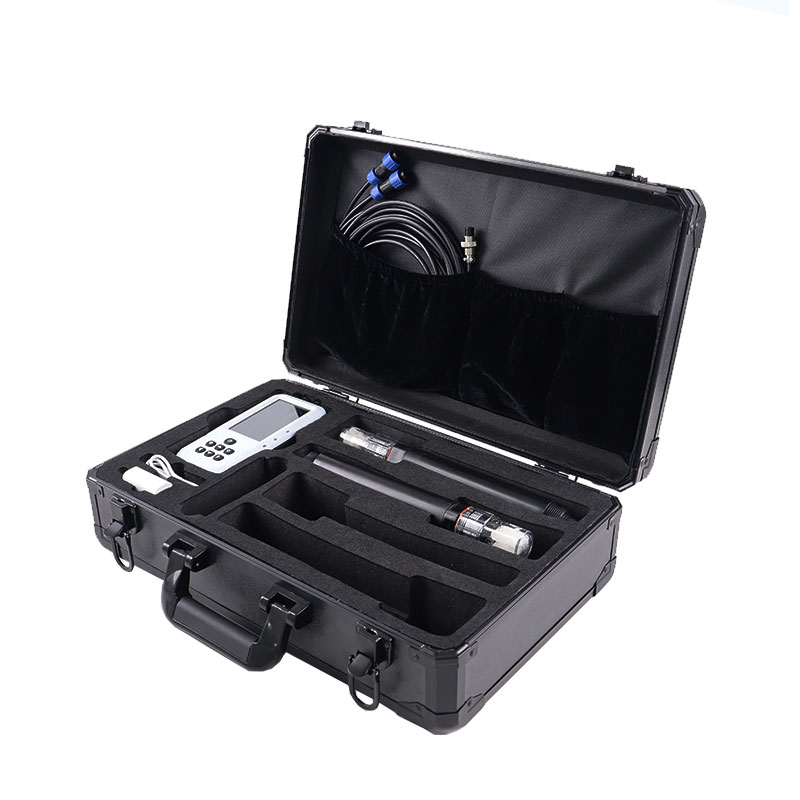
Surface Water Quality Monitoring can accurately detect core parameters of water bodies online, such as pH, conductivity, and dissolved oxygen. It supports sensor expansion configuration and has data storage, export, and remote transmission functions, making it suitable for intelligent water qu...
The Anemometer for Drones is a specialized device designed for low-altitude meteorological monitoring, with its core technology operating on the principle of ultrasonic resonance. This principle works as follows: the ultrasonic generator inside the device emits sound waves of a specific frequency. W...
In the field of meteorological monitoring, refined monitoring has become a trend. As an important part of refined monitoring, micro-meteorological monitoring is dedicated to obtaining more accurate and detailed meteorological information. It focuses on the changes of meteorological elements within a...
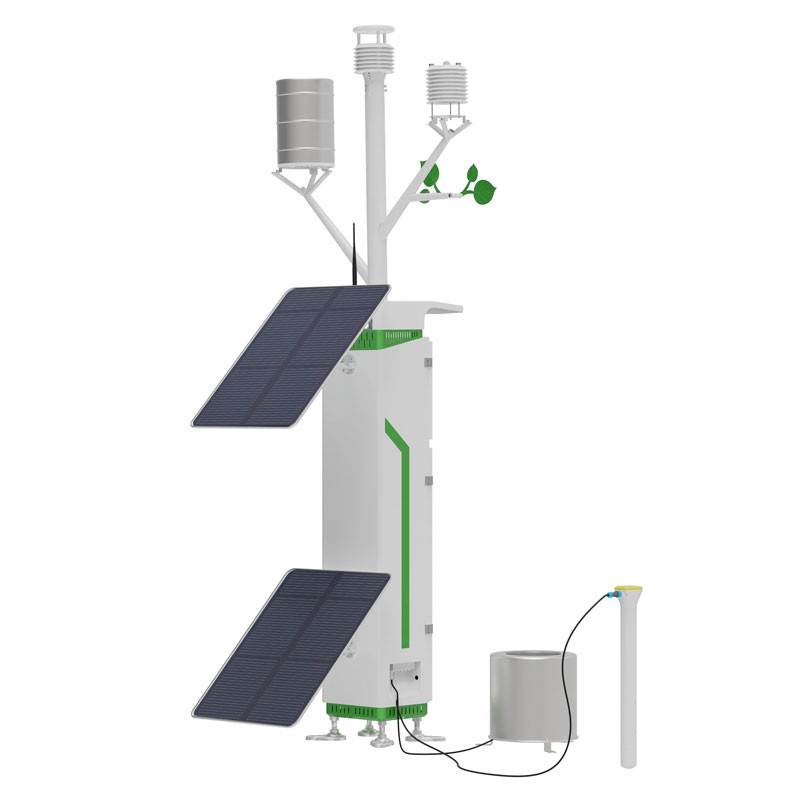
The construction of smart wetlands takes wetland monitoring equipment as the core, and combines Internet of Things (IoT), big data, and artificial intelligence technologies to build a three-dimensional monitoring network covering hydrology, meteorology, and ecology.The wetland weather stations...


 Skype
Skype
 whatsapp
 mail
mail