Tianqiong Sensor IOT Technology Co., Ltd
Sales Manager:Ms. Emily Wang
Cel,Whatsapp,Wechat:+86 15898932201
Email:info@fengtutec.com
Add:No. 155 Optoelectronic Industry Accelerator, Gaoxin District, Weifang, Shandong, China


Sales Manager:Ms. Emily Wang
Cel,Whatsapp,Wechat:+86 15898932201
Email:info@fengtutec.com
Add:No. 155 Optoelectronic Industry Accelerator, Gaoxin District, Weifang, Shandong, China
time:2025-11-19 11:13:46 source:Weather Station viewed:556 time
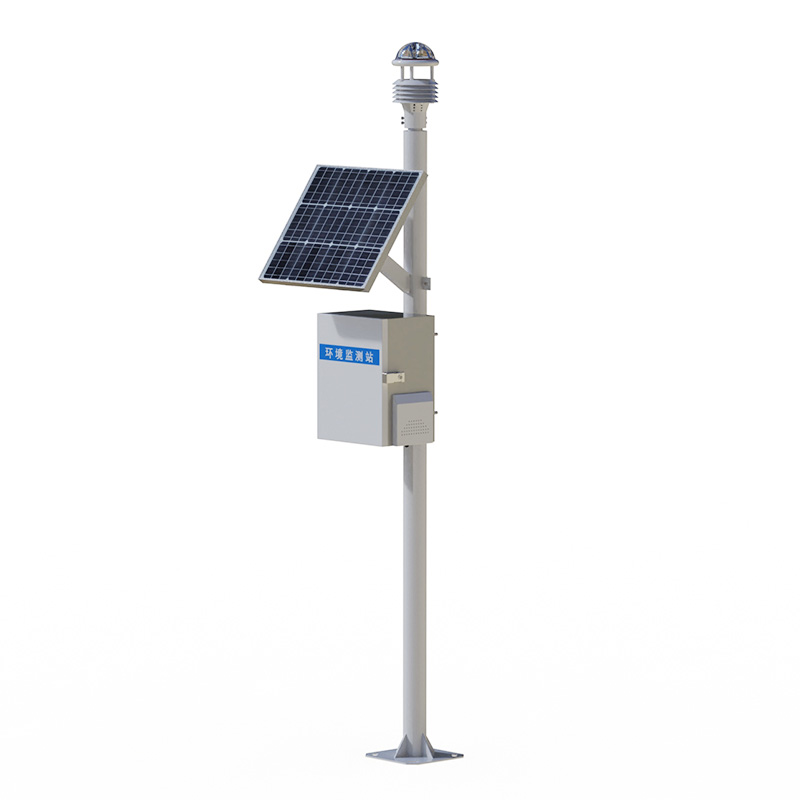
weather monitoring system is an unattended meteorological data acquisition system that uses ultrasonic principles to measure wind speed and direction. This system integrates data acquisition, storage, and transmission functions, featuring a compact structure and easy installation.
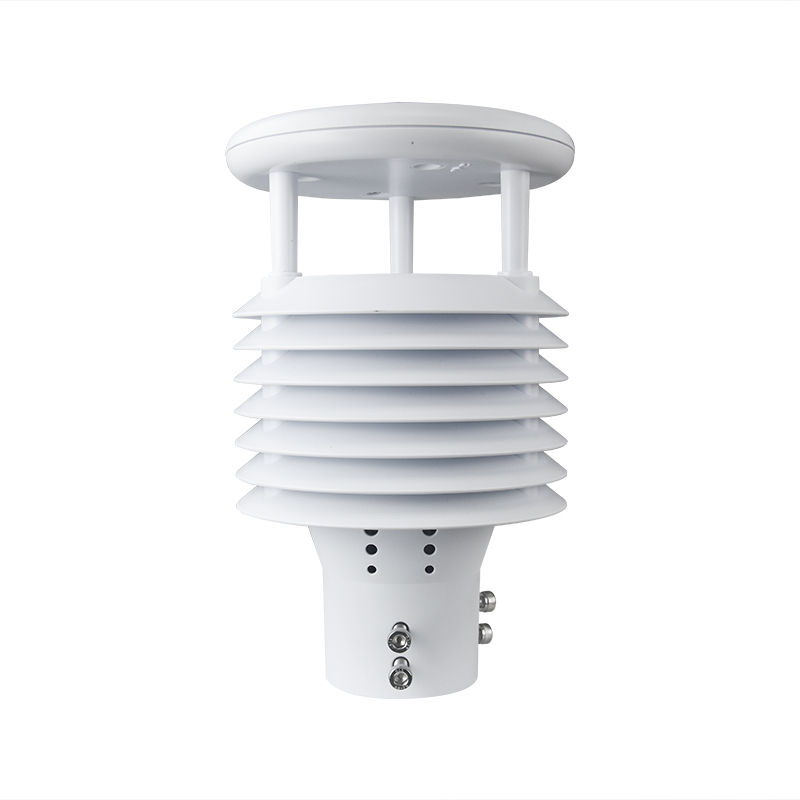
The meteorological station adopts a fully digital design, utilizing advanced digital signal processing technology. This technology ensures the stability and speed of data transmission, effectively reducing measurement errors and improving the accuracy of meteorological data. The equipment monitors wind speed and direction based on ultrasonic measurement principles, eliminating the need for mechanical rotating parts and avoiding the mechanical wear problems associated with traditional cup-type sensors.
In terms of structural design, the system adopts a multi-acquisition device integrated design, highly integrating multiple meteorological sensors into a compact unit. This integrated design makes the equipment structure more compact, reduces external connection cables, and lowers installation complexity. Users only need to perform one installation and commissioning before it can be put into use, greatly simplifying the cumbersome process of installing multiple sensors separately in traditional meteorological stations.
weather monitoring system offers flexible configuration options, allowing users to select monitoring modules such as temperature, humidity, air pressure, and rainfall according to the needs of different application scenarios. The system integrates data acquisition, storage, transmission, and management functions, forming a complete meteorological monitoring solution. The equipment can operate continuously without human intervention, automatically completing the entire process from data collection to remote transmission.
In terms of application areas, the system widely serves multiple fields such as meteorological observation, agricultural production, forestry management, environmental protection, marine monitoring, airport and port operations, scientific research, and campus education. In agriculture, it provides real-time meteorological data for precision agriculture; in environmental protection, it assists environmental monitoring stations in collecting meteorological parameters related to air quality; and in aviation, it provides accurate wind field information for airport takeoff and landing safety.
The advantages of this equipment are mainly reflected in its high measurement accuracy, low maintenance requirements, and strong environmental adaptability. Due to the use of ultrasonic measurement technology, the equipment is not affected by mechanical inertia and can capture instantaneous wind speed changes, with a response speed significantly superior to traditional cup anemometers. At the same time, the design without moving parts reduces the equipment failure rate and the workload of subsequent maintenance.
With the development of Internet of Things (IoT) technology, modern weather monitoring system is evolving towards a more intelligent and networked direction. The new generation of equipment enhances local data processing capabilities, supports multiple communication protocols, and can be better integrated into comprehensive management systems such as smart cities and digital agriculture. This integrated, digital meteorological monitoring equipment is becoming an important tool for meteorological data collection in various fields.
Negative oxygen ions are negatively charged particles formed when oxygen molecules combine with free electrons through natural processes. Known as the "air freshening factor", they not only purify the air but also regulate human health. They can adsorb dust and odor molecules, and improve...
Reservoirs are important projects for water resource regulation, and discharge operations directly affect the hydrological conditions of downstream rivers. Discharge is usually divided into different situations such as regular discharge, flood control discharge and emergency discharge. Regular disch...
Fluorescent Quantitative PCR Detection System supports simultaneous four-color fluorescence detection and parallel analysis of 32 samples, suitable for pathogen detection, gene expression analysis, food safety monitoring, and disease control in aquaculture. Fluorescent Quant...
A rainfall monitoring station is an intelligent system that uses high-tech means to obtain real-time rainfall data. It achieves this by deploying rain gauge stations in different regions, which act as the "eyes and ears" of the system, constantly monitoring rainfall conditions in their sur...


 Skype
Skype
 whatsapp
 mail
mail