Tianqiong Sensor IOT Technology Co., Ltd
Sales Manager:Ms. Emily Wang
Cel,Whatsapp,Wechat:+86 15898932201
Email:info@fengtutec.com
Add:No. 155 Optoelectronic Industry Accelerator, Gaoxin District, Weifang, Shandong, China


Sales Manager:Ms. Emily Wang
Cel,Whatsapp,Wechat:+86 15898932201
Email:info@fengtutec.com
Add:No. 155 Optoelectronic Industry Accelerator, Gaoxin District, Weifang, Shandong, China
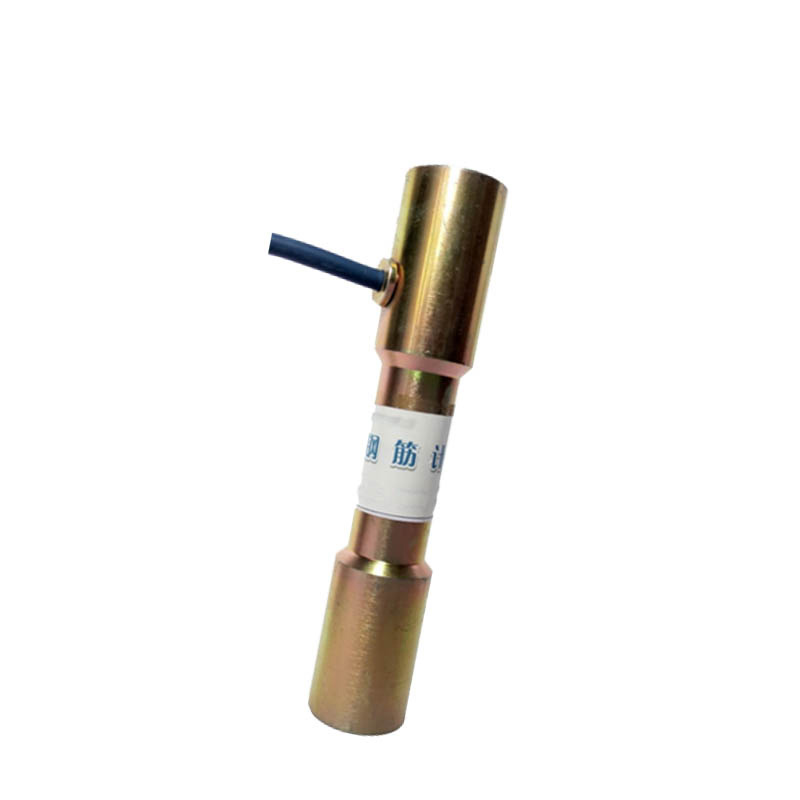
Model:FT-GJ1
Brand:tianqiong
1.Rebar stress meter product overview
Rebar stress meter is designed to measure the strain of steel bars in foundations, slurry walls, precast piles, cages, bridge abutments, tunnel linings, etc.This vibrating Rebar stress meter is also called a steel bar stress meter.It is suitable for stress monitoring of steel bars and anchors in concrete structures, and can be equipped with supporting accessories to form an anchor force gauge and a bedrock stress meter.Buried in concrete engineering structures such as various building foundations, continuous walls, tunnel linings, bridges, slopes, docks, and gates.
2.Rebar stress meter application scenarios
Bridges, tunnels, rail transit, buildings, highways
3.Rebar stress meter product features
1.Use imported steel strings, stable temperature performance, long service life, good product consistency
2.Built-in analog temperature sensor for easy temperature compensation
3.Use standard hydraulic cables to make the system more reliable
4.Rebar stress meter technical parameters
Range: 0~75kN, 0~105kN, 0~136kN, 0~160kN
Measurement accuracy: ±1% FS
Working temperature: -20℃~+70℃
Temperature measurement accuracy: ±0.5℃
Insulation resistance: ≥50MΩ
Note: Select the model according to the diameter of the steel bar
An air quality monitoring station is an innovative environmental monitoring device that forms a comprehensive monitoring network by densely deploying miniature monitoring devices within the monitoring area, enabling refined monitoring of air quality. This equipment can real-time monitor multiple pol...
IoT Water Quality Monitoring Station system consists of six parts: a water quality sensor, a data acquisition unit, a communication system, a power supply system, an overall support frame, and a water quality monitoring platform. It can simultaneously monitor multiple water quality elements, i...
A Lake Water Level Monitoring Station is a facility designed for the automated measurement of key parameters such as lake water level, flow velocity, flow rate, and water quality. Through continuous data collection and analysis, it provides a scientific basis for water resource management, flood war...
portable handheld weather station is a portable, high-precision meteorological monitoring device capable of real-time monitoring of key meteorological data such as temperature, humidity, atmospheric pressure, wind speed, and wind direction....


 Get a Free Quote
 Skype
Skype
 whatsapp
 mail
mail