Tianqiong Sensor IOT Technology Co., Ltd
Sales Manager:Ms. Emily Wang
Cel,Whatsapp,Wechat:+86 15898932201
Email:info@fengtutec.com
Add:No. 155 Optoelectronic Industry Accelerator, Gaoxin District, Weifang, Shandong, China


Sales Manager:Ms. Emily Wang
Cel,Whatsapp,Wechat:+86 15898932201
Email:info@fengtutec.com
Add:No. 155 Optoelectronic Industry Accelerator, Gaoxin District, Weifang, Shandong, China
time:2026-11-11 10:37:36 source:Weather Station viewed:1 time
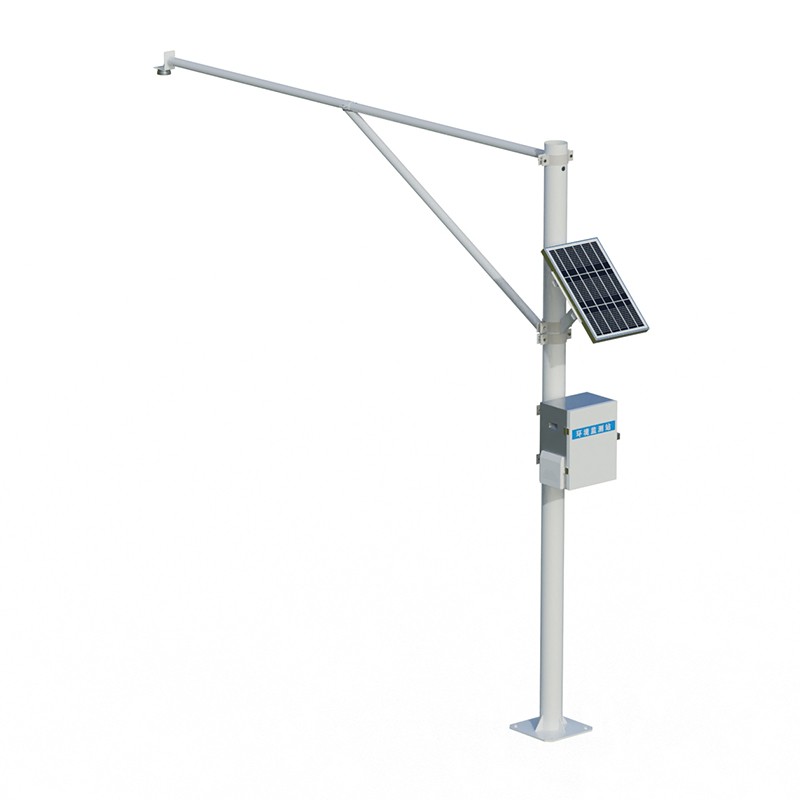
Reservoir water level monitoring systems utilize K-band planar radar technology for non-contact measurement, offering a range of 0.1 to 40 meters with an accuracy of ±1 millimeter. Powered by a combination of solar panels and rechargeable batteries, the system can operate continuously in areas lacking a mains power supply. The measurement process remains unaffected by temperature, sediment, or floating debris, making it well-suited for applications in rivers, irrigation canals, and flood warning systems.
The core advantage of this radar-based monitoring system lies in the complete elimination of physical contact with the water. Traditional contact-based sensors, when submerged for long periods, are prone to issues such as sediment accumulation, pollutant buildup, and biofouling—all of which alter sensor response characteristics, necessitate frequent maintenance, and lead to unavoidable data drift. In contrast, the radar system emits microwave pulses from above the water surface and calculates distance based on the returned echoes. Since the sensor itself never touches the water, the presence of high sediment concentrations or floating debris does not interfere with measurements. This is particularly valuable during flood seasons characterized by high turbidity; while contact-based equipment would require frequent cleaning under such conditions, the radar system ensures continuous, uninterrupted data output.
In terms of data quality, millimeter-level resolution is highly significant for reservoir management and decision-making. The rate of change in water level over time is a critical parameter for assessing inflow trends and adjusting reservoir storage. A 1-millimeter resolution allows for the detection of even subtle fluctuations, while an adjustable sampling interval—ranging from 1 to 5,000 minutes—enables managers to flexibly set monitoring frequency based on whether it is flood season or the off-peak period. The power supply configuration, consisting of a 10W or 30W solar panel paired with a 3.7V 10Ah battery, keeps total power consumption low, facilitating deployment in remote mountainous regions or areas where grid power is unavailable. The standard mounting structure—comprising a 3-meter vertical pole and a 3-meter horizontal arm—positions the sensor well above the design flood level, protecting the equipment from damage during extreme inflow events. In practical operation, the value of a reservoir water-level monitoring system also lies in the simplified installation and maintenance process. The equipment is compact and requires no dedicated observation wells or stilling wells; site selection is not constrained by the topography of the reservoir banks—the only requirement is an unobstructed view of the water surface directly beneath the sensor. With an operating temperature range of -45°C to 85°C, the system can provide consistent data throughout the year, excluding periods when water surfaces in northern my country freeze over during winter. Once water-level data is transmitted via telemetry terminals to a management platform, it can be integrated with rainfall information to create a continuous record of hydrological conditions within the reservoir area. For reservoirs that serve the dual purposes of flood control and irrigation, this stable, low-maintenance monitoring solution provides a reliable data foundation for both routine operations and emergency assessment.
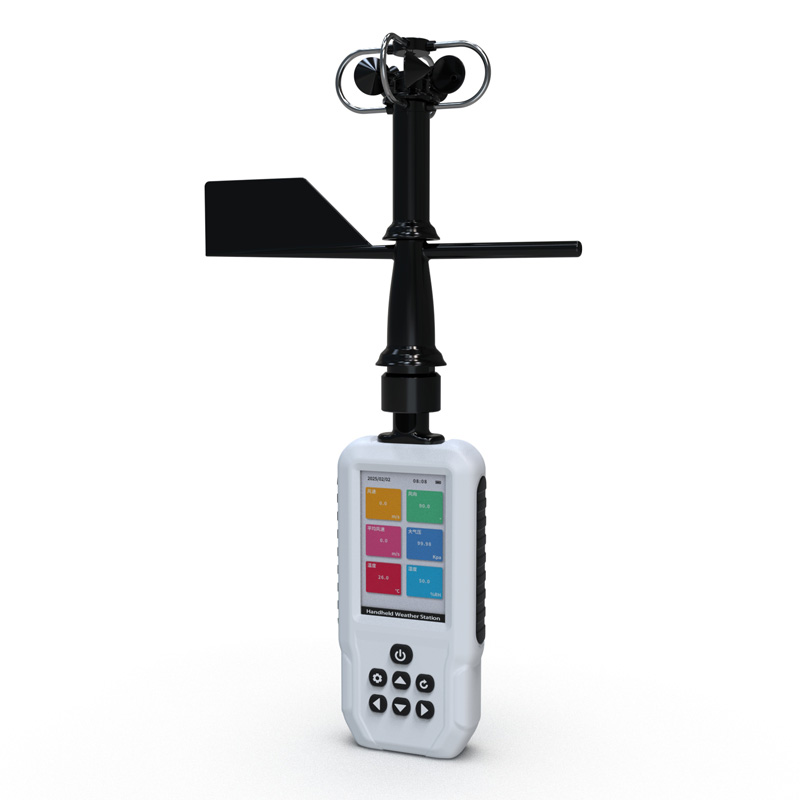
These portable, mobile weather stations are equipped with high-precision sensors. They can simultaneously collect multiple data points, including wind speed, temperature, humidity, air pressure, and GNSS positioning. They also feature long-term data storage capabilities and are primarily used...
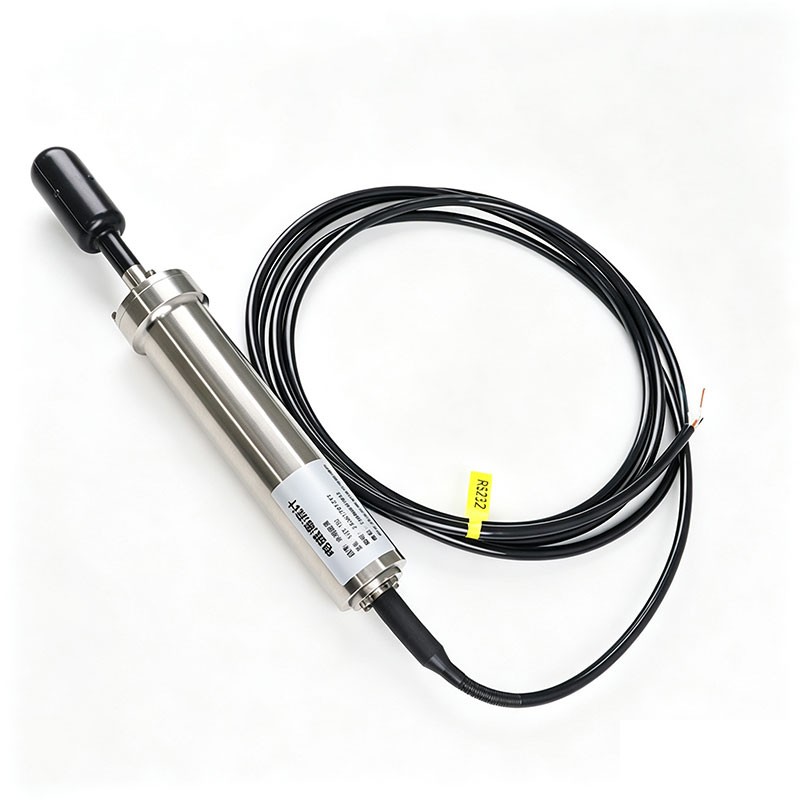
Water quality monitoring equipment is an integrated device based on Internet of Things (IoT) technology, capable of synchronously monitoring water conductivity, pH, dissolved oxygen, ammonia nitrogen, turbidity, and water temperature online. This system supports automatic data acquisition and transmission, and is suitable for long-term continuous monitoring in drinking water distribution networks and secondary water supply systems....
In traditional cognition, agricultural production has often "relied on the weather", and weather changes have a huge impact on crop growth. Especially during the Sanfu days (the peak summer heat period), extreme weather such as high temperatures, high humidity, and heavy rainfall occurs fr...
Vehicle Weather Station is a professional mobile monitoring device based on the ultrasonic time-of-flight principle. It accurately calculates wind speed and direction by measuring the time difference of ultrasonic wave propagation, and integrates temperature, humidity, and pressure sensors to achieve real-time collection of multi-element meteorological data on a vehicle platform....


 Skype
 whatsapp
 mail