Tianqiong Sensor IOT Technology Co., Ltd
Sales Manager:Ms. Emily Wang
Cel,Whatsapp,Wechat:+86 15898932201
Email:info@fengtutec.com
Add:No. 155 Optoelectronic Industry Accelerator, Gaoxin District, Weifang, Shandong, China


Sales Manager:Ms. Emily Wang
Cel,Whatsapp,Wechat:+86 15898932201
Email:info@fengtutec.com
Add:No. 155 Optoelectronic Industry Accelerator, Gaoxin District, Weifang, Shandong, China
time:2025-09-18 09:16:44 source:Weather Station viewed:494 time
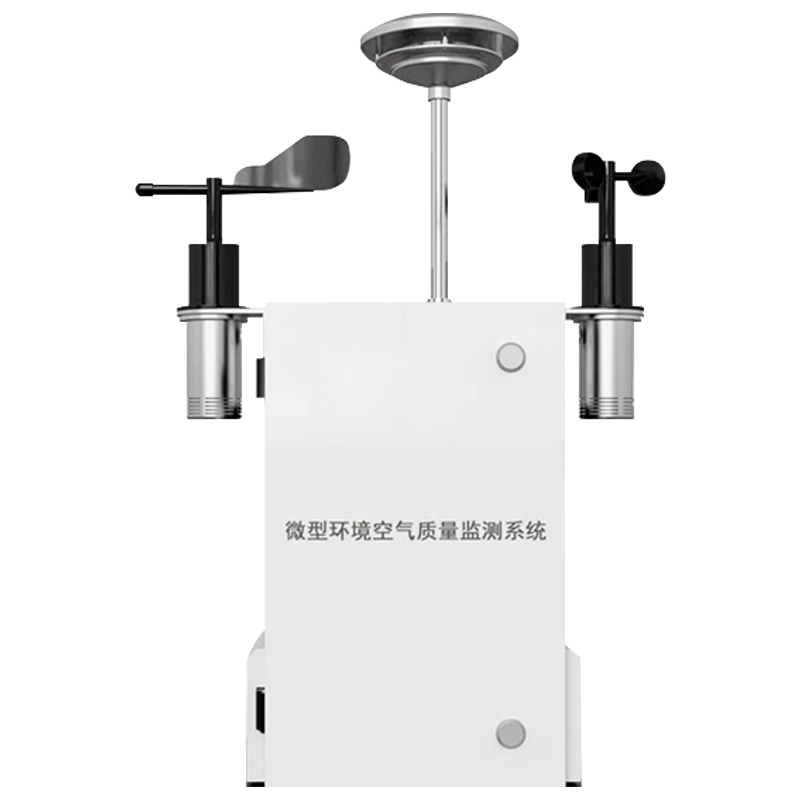
The mobility and dynamic changes of pollution sources have always been prominent challenges. The traditional model of manually tracing pollution sources and analyzing pollution characteristics not only consumes substantial time and human resources but also yields data lacking accuracy due to issues such as subjective interference and limited monitoring scope, making it difficult to support precise pollution control efforts. With the deepening of air pollution prevention and control, building an efficient and accurate monitoring system has become a rigid demand, and the grid-based monitoring system composed of the Atmospheric Environment Monitoring System has emerged as a natural solution.
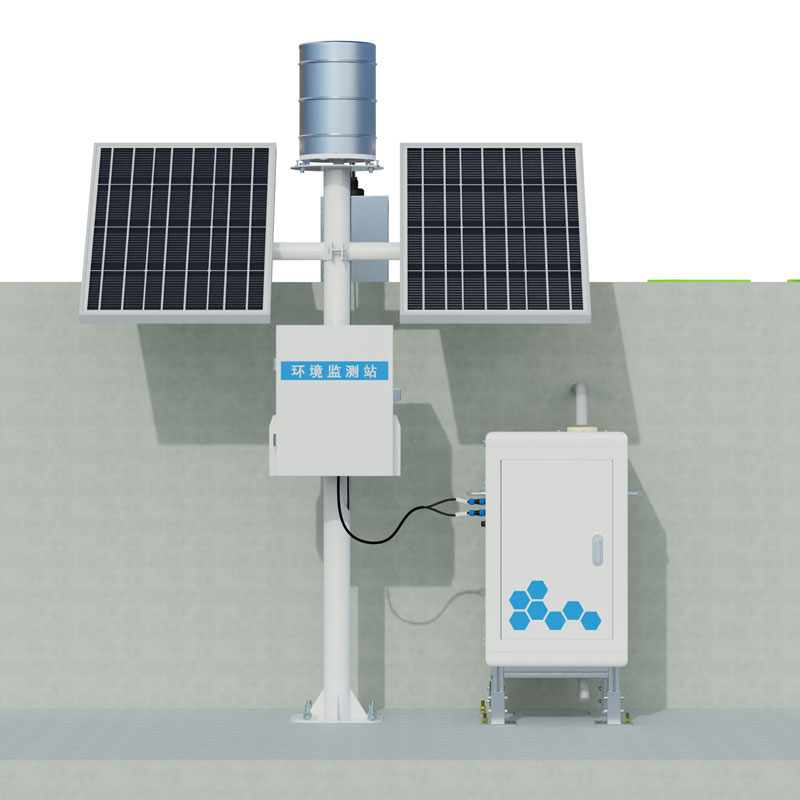
The Atmospheric Environment Monitoring System constructs a full-area coverage monitoring network through dense deployment of monitoring points, enabling timely and accurate positioning of atmospheric pollution sources. During daily monitoring, once pollution incidents occur—such as illegal sewage discharge, straw burning, inadequate control of construction site dust, or random garbage dumping—the monitoring stations quickly capture relevant pollution data and upload it to the management platform in real time, clarifying the investigation direction for staff. Relying on this precise information, law enforcement and operation and maintenance personnel can directly rush to the illegal site for disposal, completely changing the previous situation of "blind inspection and passive response" and significantly improving the efficiency of pollution governance.
Beyond accurately locating local pollution sources, the Atmospheric Environment Monitoring System also plays a key role in cross-regional pollution prevention and control. It can monitor changes in air quality at regional boundaries in real time, promptly capture signals of external pollution input, and provide early warnings for management departments. Based on this monitoring data, relevant departments can not only quickly trace the source of cross-regional pollution sources but also clearly define responsibilities in accordance with the principle of "territorial management," providing strong support for coordinated cross-regional pollution governance.
As an important technical support for air pollution prevention and control, the Atmospheric Environment Monitoring System, with its advantages of precise monitoring, timely early warning, and efficient linkage, effectively curbs the spread of pollution sources, improves the disposal efficiency of management departments, and injects new precision and efficiency-driven momentum into air pollution prevention and control.
The Geological Monitoring System employs Differential RTK technology to achieve millimeter-level displacement monitoring, making it suitable for the automated early warning of geological hazards such as landslides, rockfalls, and debris flows. Comprising GNSS monitoring stations, data acquisit...
An air quality monitoring station is an innovative environmental monitoring device that forms a comprehensive monitoring network by densely deploying miniature monitoring devices within the monitoring area, enabling refined monitoring of air quality. This equipment can real-time monitor multiple pol...
The 4G high-precision handheld 6-element weather station is a portable and easy-to-operate mobile meteorological observation instrument. It can monitor six meteorological elements, supports 4G data upload, and is suitable for various mobile meteorological observation scenarios....
The Portable el detector is an important device used to detect various defects in photovoltaic (PV) cell modules. It can accurately detect defects such as hidden cracks, fragments, and poor soldering in PV cell modules. These internal defects can seriously affect the service life and long-term power...


 Skype
Skype
 whatsapp
 mail
mail