Tianqiong Sensor IOT Technology Co., Ltd
Sales Manager:Ms. Emily Wang
Cel,Whatsapp,Wechat:+86 15898932201
Email:info@fengtutec.com
Add:No. 155 Optoelectronic Industry Accelerator, Gaoxin District, Weifang, Shandong, China


Sales Manager:Ms. Emily Wang
Cel,Whatsapp,Wechat:+86 15898932201
Email:info@fengtutec.com
Add:No. 155 Optoelectronic Industry Accelerator, Gaoxin District, Weifang, Shandong, China
time:2025-07-03 09:02:15 source:Weather Station viewed:647 time
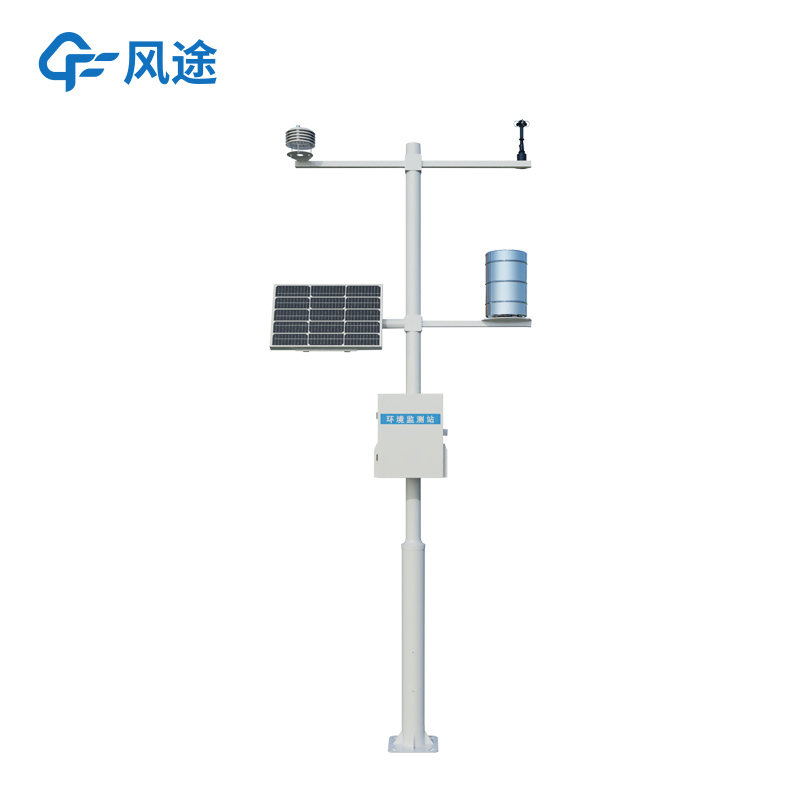
FT-NQ8 Meteorological Observation Station, specifically designed for agriculture, can accurately monitor 8 key elements. Each of these 8 elements is closely related to crop growth. Temperature is a key factor affecting the growth rate and physiological activities of crops. Different crops have specific requirements for temperature at different growth stages. By accurately mastering the temperature through the monitoring station, farmers can take timely measures to avoid low-temperature freezing damage or high-temperature heat damage to crops. Humidity includes air humidity and soil humidity. Appropriate air humidity helps reduce the breeding of crop diseases and insect pests, and soil humidity affects the water absorption of crops, ensuring the water supply for crop growth. Light intensity affects the photosynthesis of crops, determining the energy accumulation and material synthesis of crops. Reasonably controlling the light can promote the vigorous growth of crops. Wind speed and direction not only affect the ventilation status of farmland and prevent the spread of diseases, but also help farmers prevent the mechanical damage of strong winds to crops in advance. The monitoring of rainfall can reduce the losses caused by drought and flood disasters due to uneven rainfall and realize the rational use of water resources.
The FT-NQ8 Meteorological Observation Station specially designed for agriculture is highly integrated, integrating multiple sensors, data collection and transmission functions, etc., with a small floor area, making it easy to install and arrange in farmland. With the low-power characteristics and solar power supply system, it can operate for a long time even in remote farmlands, reducing energy costs and maintenance difficulties. The installation process is simple and quick, and the debug-free design allows it to be quickly enabled without complicated operations to obtain meteorological data rapidly.
The FT-NQ8 Meteorological Observation Station provides a scientific basis for farmers to help them reasonably arrange agricultural activities such as irrigation, fertilization, and pest control. For example, based on the soil humidity and rainfall data, the irrigation timing and water volume can be accurately determined to avoid water waste; according to the elements such as temperature, humidity, and light, the occurrence trend of diseases and insect pests can be predicted for early prevention and control. When intelligent agricultural machinery is operating, the data of the monitoring station can realize precise navigation and adjustment of operation parameters, improving agricultural production efficiency and crop yield. In the face of extreme weather, the monitoring station can issue timely alarms to help farmers make protective measures in advance and reduce disaster losses.
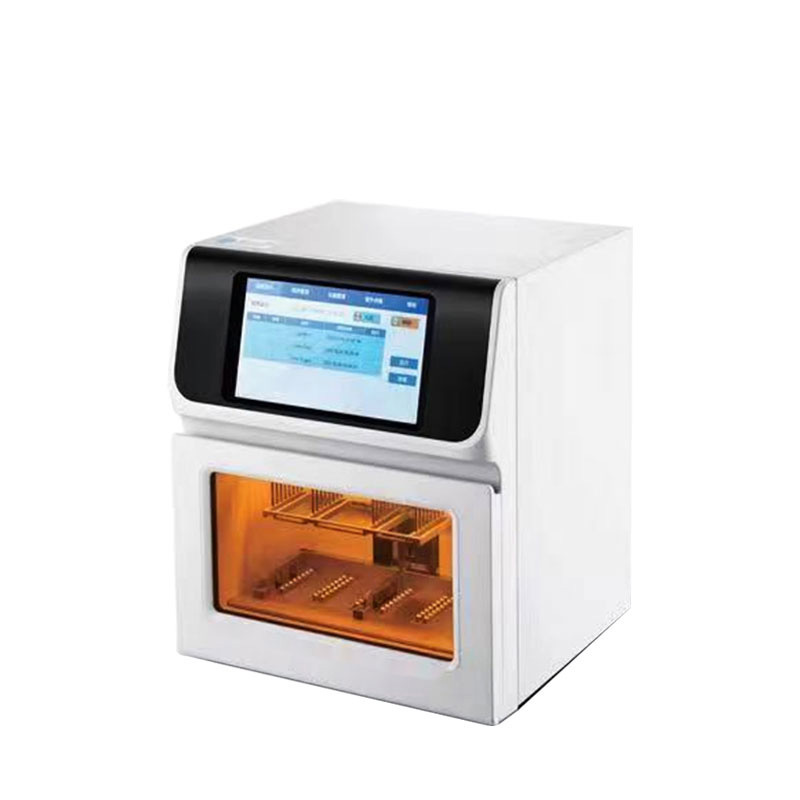
This detector can complete the processes of pine wilt nematode isolation, DNA extraction, and quantitative PCR detection. It features a built-in automated detection program, eliminating the need for complex parameter settings and allowing for one-button operation. This four-...
FT-FY1 Model Negative Ion Detector is a high-precision professional instrument for air negative ion detection and analysis. Regarded as a preferred tool for real-time measurement of atmospheric negative oxygen ion concentration, it is widely used in various fields including environmental monitoring,...
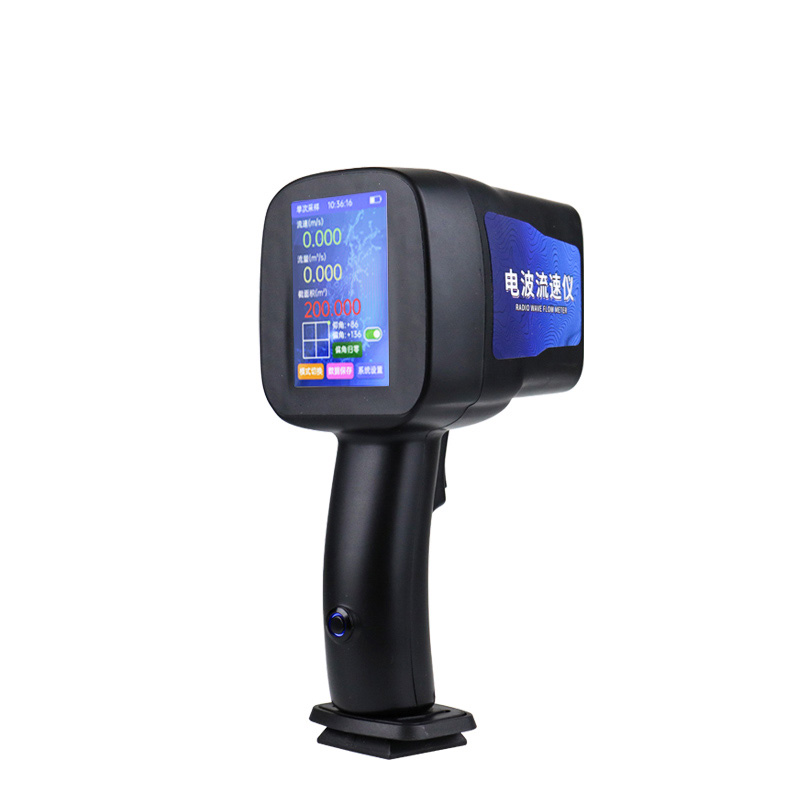
4G version high-precision handheld 8-element weather station can simultaneously and accurately measure eight meteorological elements. Its 4G module allows for easy replacement of the IoT SIM card. The compact and lightweight design allows for one-handed operation, making it suitable for variou...
Real Time PCR is a high-precision instrument for real-time monitoring of the PCR amplification process, featuring an 8-well single-channel design. By combining PCR amplification and fluorescence detection technology, it enables rapid and accurate quantitative analysis of nucleic acid targets,...


 Skype
Skype
 whatsapp
 mail
mail