Tianqiong Sensor IOT Technology Co., Ltd
Sales Manager:Ms. Emily Wang
Cel,Whatsapp,Wechat:+86 15898932201
Email:info@fengtutec.com
Add:No. 155 Optoelectronic Industry Accelerator, Gaoxin District, Weifang, Shandong, China


Sales Manager:Ms. Emily Wang
Cel,Whatsapp,Wechat:+86 15898932201
Email:info@fengtutec.com
Add:No. 155 Optoelectronic Industry Accelerator, Gaoxin District, Weifang, Shandong, China
time:2026-05-15 11:08:05 source:Weather Station viewed:239 time
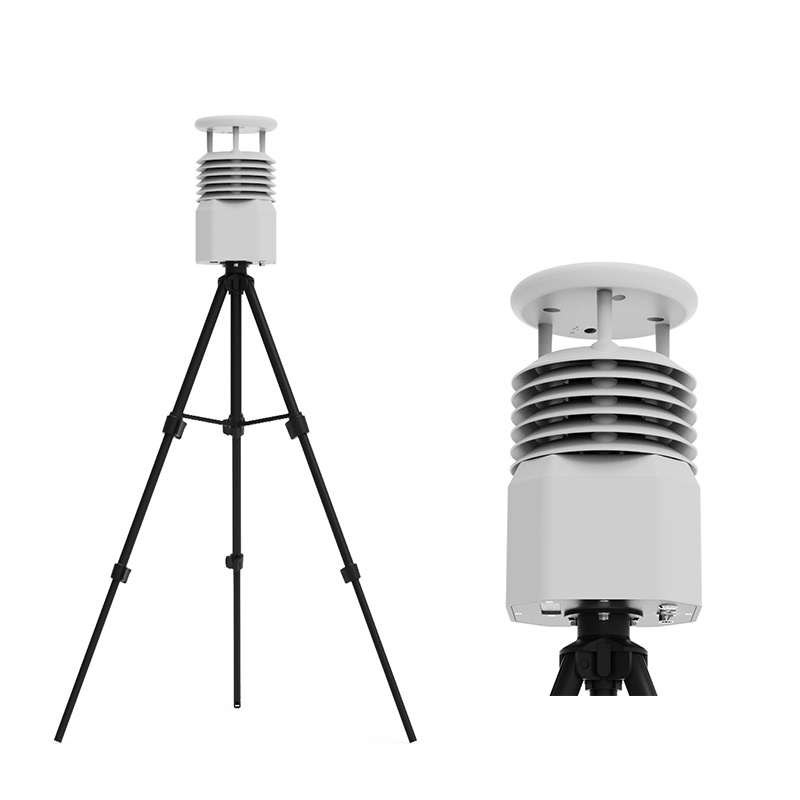
Micro Weather Station is a highly integrated, low-power, quick-installation, and easy-to-use high-precision automatic meteorological observation device for field monitoring. The device consists of meteorological sensors, a data acquisition terminal, a solar power system, and a support frame. No debugging is required, and one person can complete deployment within two minutes. It is widely applicable to emergency rescue, scientific field investigations, and temporary meteorological monitoring scenarios, enabling rapid acquisition of critical meteorological data in complex environments.
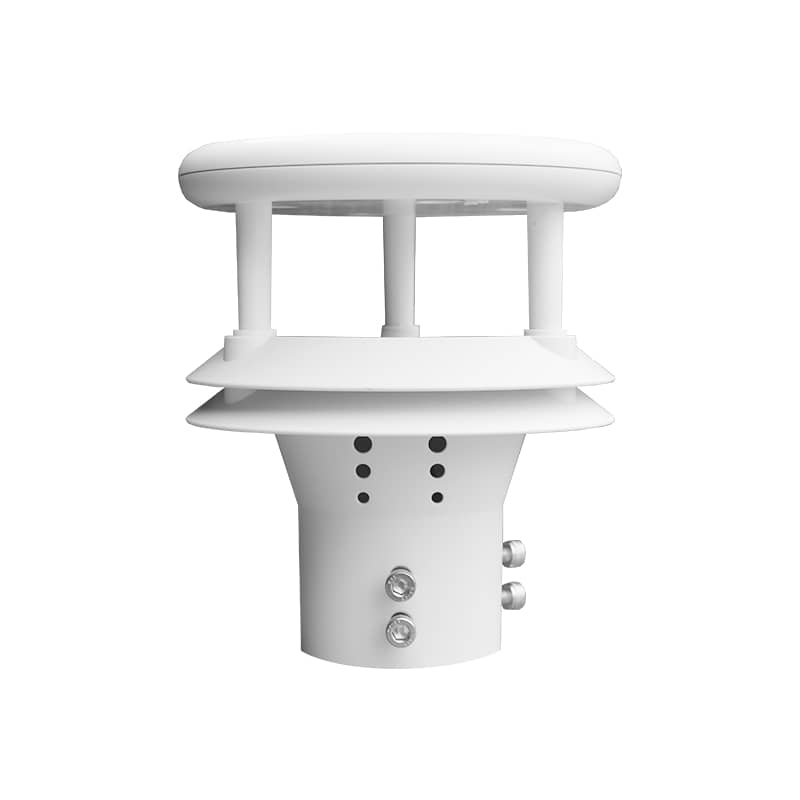
Micro Weather Station is a miniaturized automatic observation instrument that integrates meteorological sensors, a data acquisition terminal, and a power supply system. The device consists of an ultrasonic meteorological sensor, a foldable tripod, a data acquisition terminal, and a solar power system. The main body is made of carbon fiber or aluminum alloy, and the overall weight is typically kept under 5 kg, allowing for easy transport in a shock-absorbing protective trolley case. Wind speed measurement uses ultrasonic principles. The hidden probe design on the sensor top cover avoids measurement interference caused by rain and snow accumulation. The built-in electronic compass eliminates the need for manual north-finding, allowing for accurate wind direction data measurement from any location. The data acquisition terminal integrates multiple meteorological elements, including wind speed, wind direction, air temperature, air humidity, atmospheric pressure, illumination, total radiation, ultraviolet radiation, optical rainfall, PM2.5, and PM10, into a single sensor. The acquired data is transmitted in real-time to a computer or cloud platform via GPRS, Bluetooth, 4G, or RS485 wired connections.
The design goal of Micro Weather Station is to meet the rapid deployment needs of emergency meteorological short-term observation and mobile monitoring. At the application level, Micro Weather Station can cover various scenarios such as emergency rescue, field scientific investigation, mobile meteorological monitoring, agricultural meteorological observation, environmental monitoring, temporary observation at airports and ports, and campus teaching experiments. In emergency rescue operations, fixed weather stations may be unable to provide data due to equipment damage or communication interruptions. Micro Weather Station can be carried by rescue teams and quickly deployed in disaster areas to monitor wind speed, wind direction, temperature, humidity, and other data in real time, providing a scientific basis for rescue decisions. At forest fire sites, monitoring changes in wind direction and speed helps commanders determine the direction of fire spread and plan rescue routes and firebreaks. In agriculture, Micro Weather Station can be deployed in small areas such as tea gardens, orchards, and medicinal herb planting bases to monitor local microclimates and guide farmers in adjusting irrigation, fertilization, or frost protection measures. The built-in GNSS positioning module records the latitude and longitude of the observation location, providing spatial reference for subsequent data analysis.
The technological advantages of Micro Weather Station lie in its high degree of integration and ease of operation. The device is pre-calibrated and configured with sensors before leaving the factory, requiring no manual adjustments upon arrival at the site. The main support frame is made of carbon fiber, weighing one-quarter the weight of steel and five times stronger, with an adjustable height. The built-in lithium battery has a capacity of approximately 12000mAh, and with its low-power design, it can support continuous operation for over 50 hours. An optional solar power panel is available to meet the needs of long-term continuous field observation. The device's casing has an IP65 or higher protection rating, effectively resisting rain, salt spray, and dust corrosion. The data acquisition terminal supports post-processing functions such as setting storage intervals, exporting historical data, and generating report curves. With Bluetooth or GPRS communication modules, users can view meteorological data in real time on a mobile app. The device can also connect to existing monitoring networks via an RS485 interface, using the Modbus protocol to achieve multi-site networking and unified data management.
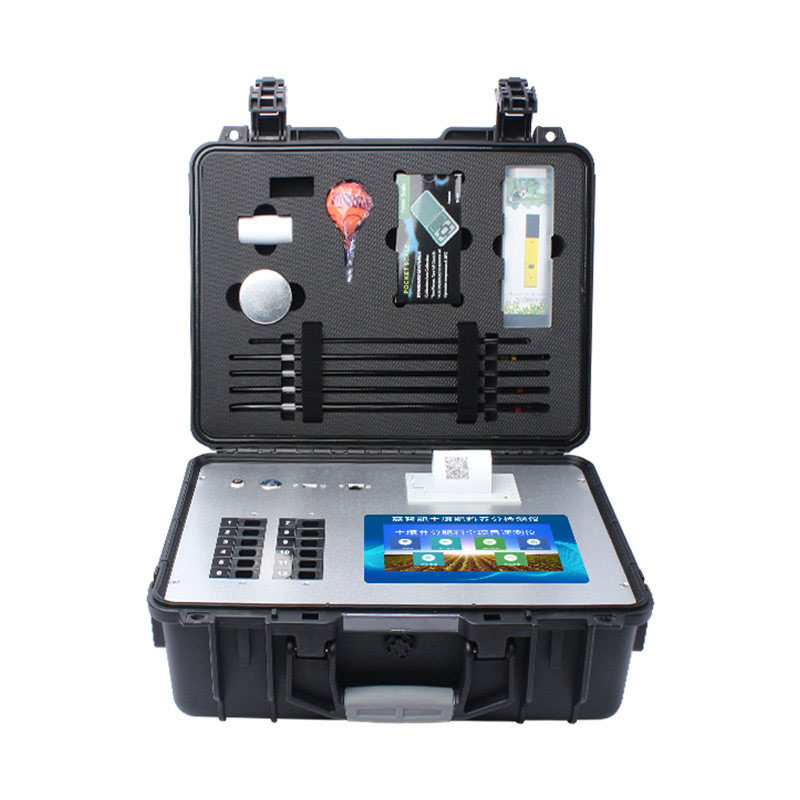
This instrument integrates FDR (Frequency Domain Reflectometry) principle soil moisture measurement sensors and data acquisition technology. Through moisture and temperature sensors, it accurately measures soil volumetric water content (VWC) and temperature. Powered by solar energy, it is adap...
The Negative Oxygen Ion Monitoring System is a monitoring framework built on professional technologies, with its core technical architecture integrating sensing technology and IoT communication technology. The sensor employs a universal capacitive detection principle to measure the concentration of...
A Portable Weather Station is a movable on-site observation device. It has the advantages of portability, easy operation and accurate measurement, and can integrate monitoring functions for multiple meteorological elements to meet various dynamic observation needs. It can conduct all-weather and uni...
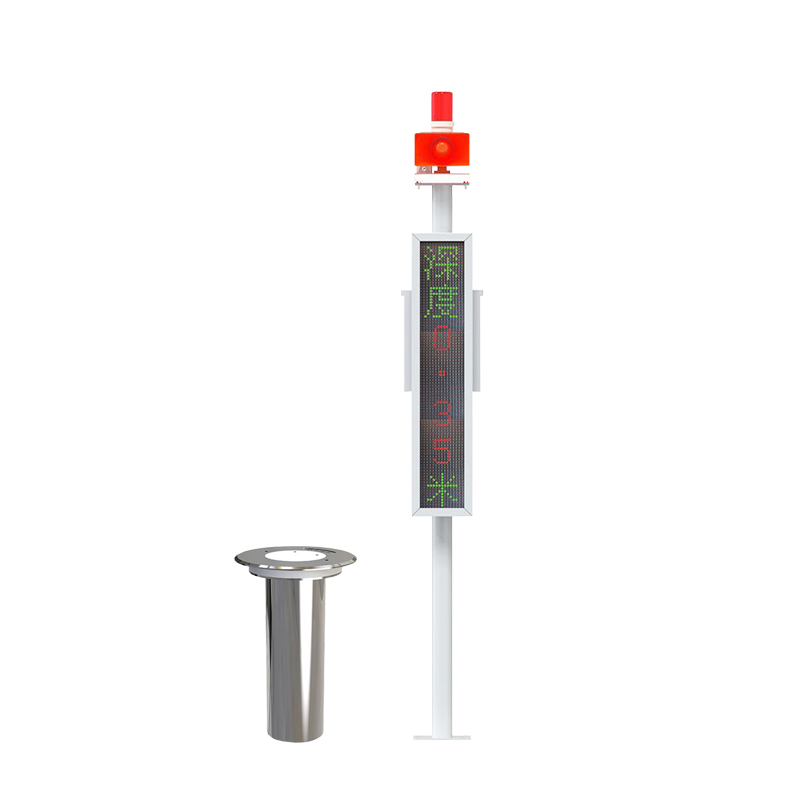
In modern traffic management, real-time and accurate road condition monitoring is of great significance for ensuring driving safety and improving road operation efficiency. Traditional road weather stations typically require embedded installation, which not only damages the road structure but may al...


 Skype
Skype
 whatsapp
 mail
mail